

Description
|
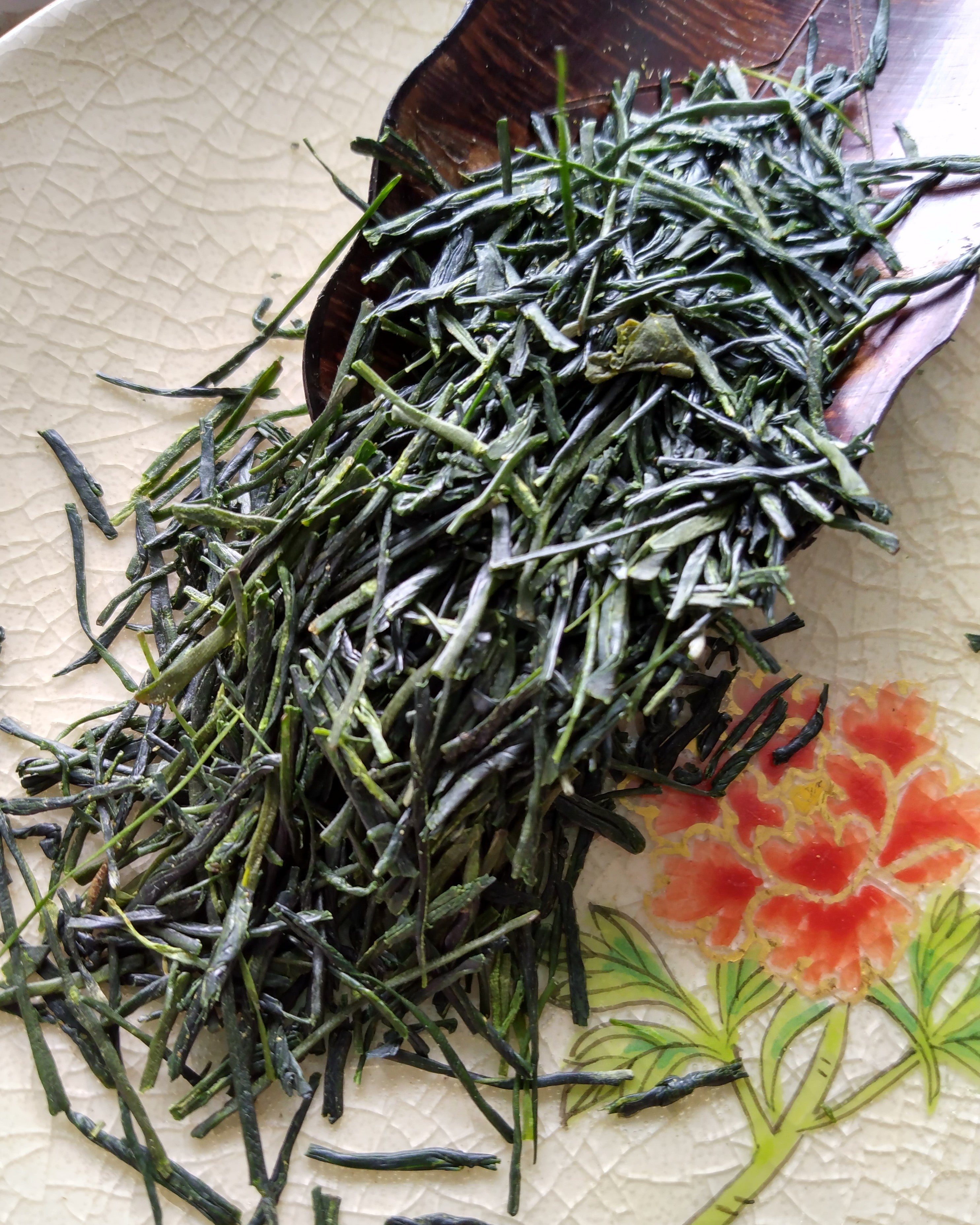
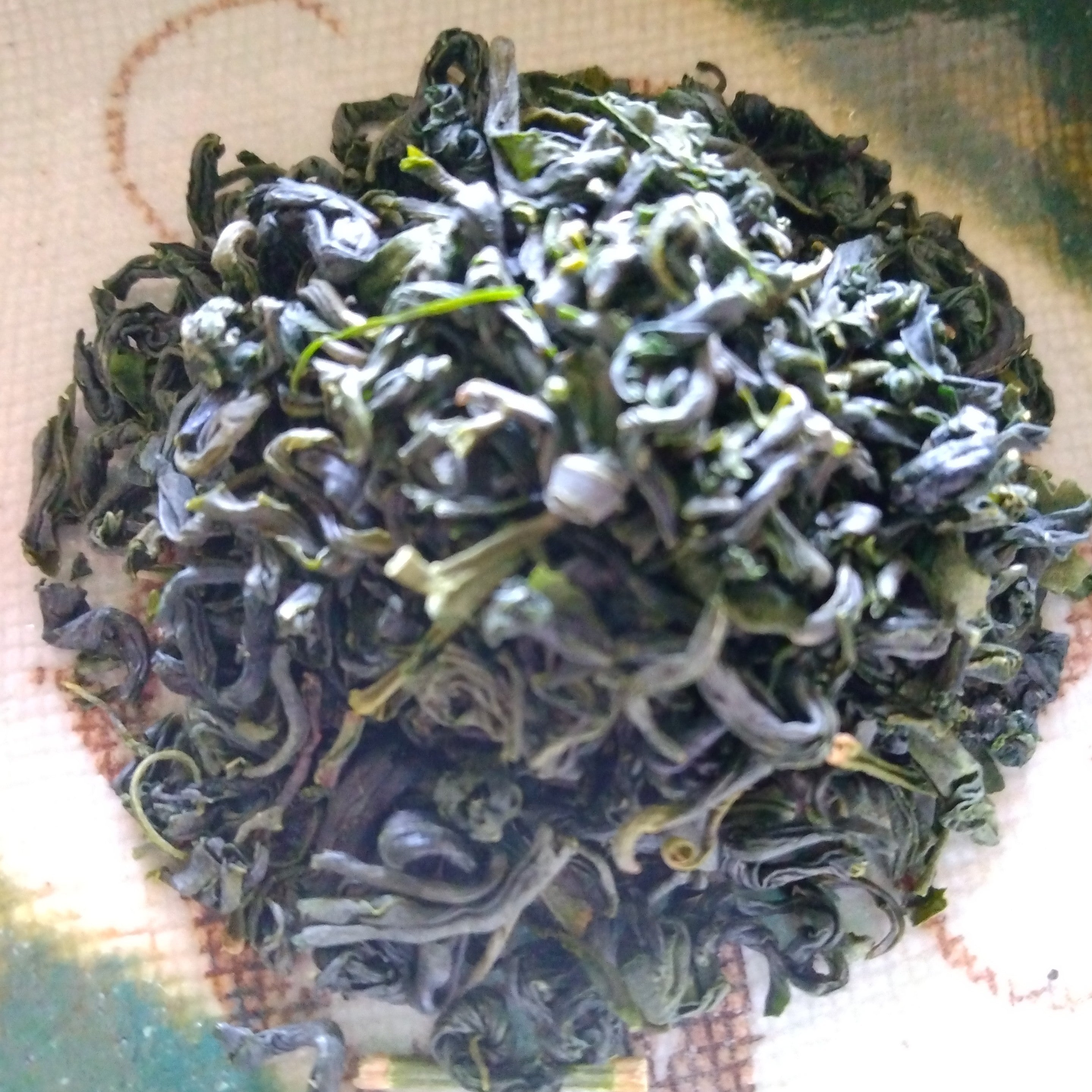
Saemidori Tamaryokucha - 2026 Shincha (New Harvest Tea.) Naturally grown with no synthetic pesticides or fertilizers.
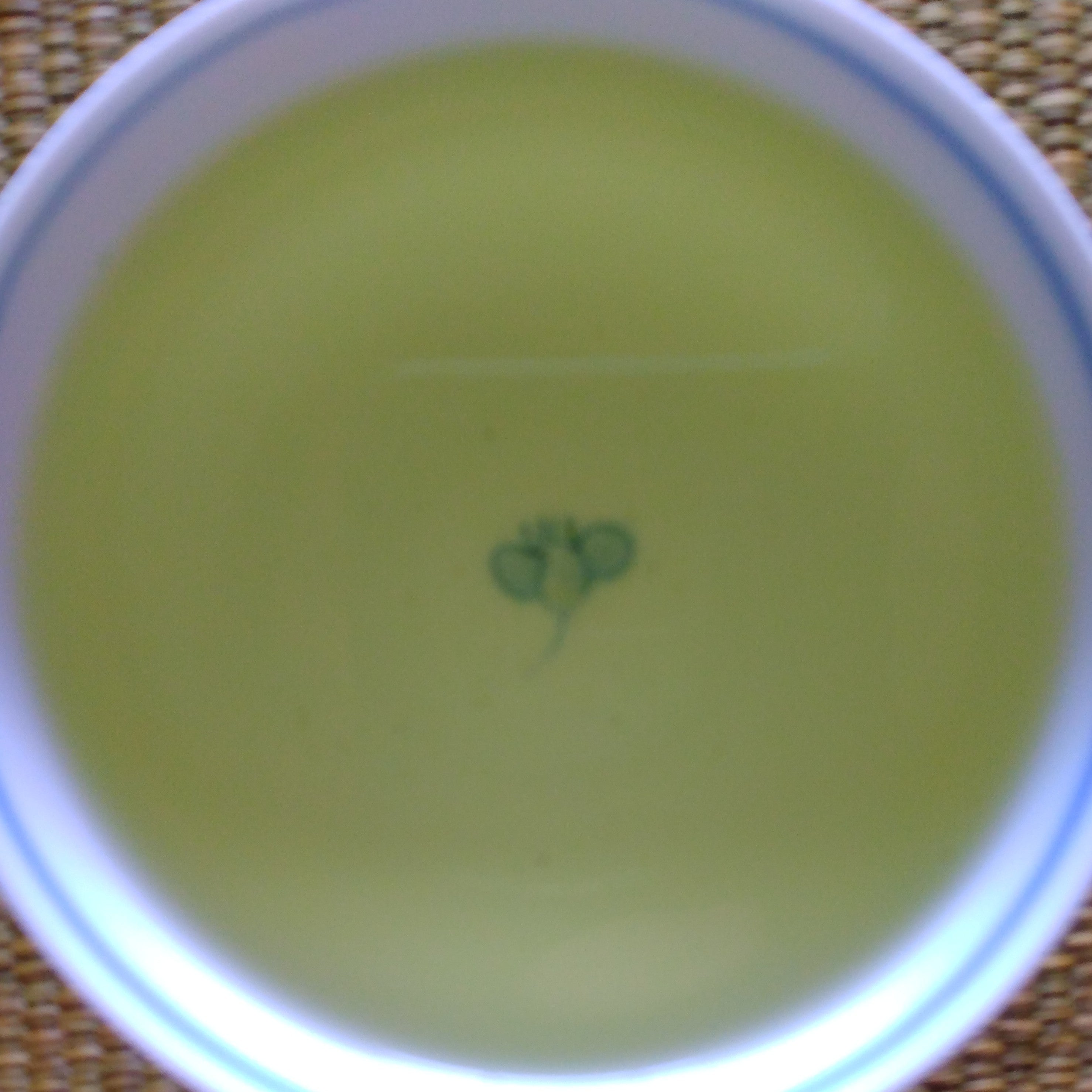
Tamaryoku refers to the rolling method of production where the leaves are rolled into a ball, or coiled, instead of the more prevalent needle shape rolling technique used in the final stages of making Sencha, and which is much more widely used in Japanese green teas. The resulting "comma" shaped leaves often infuse to a golden-yellow or light golden-green tea, with low astringency. While the tea and early processing techniques are the same as that for Sencha, skipping the final (needle-shape) rolling technically makes it not a Sencha in the sense of the common Uji-method of Sencha production. Years earlier, I used , and heard, the term "Tamaryoku Sencha," but this term now seems very little used in the industry. It is the common rolling technique used in the Kyushu Prefectures of Saga (Ureshino Teas), Nagasaki (Sonogi Teas), Kumamoto, and Miyazaki. It is also referred to a "Guri-Cha" (curly tea), most often in Nagasaki and Kumamoto, but both terms are used in different parts of Japan when referring to Tamaryokucha.
|