

Description
|
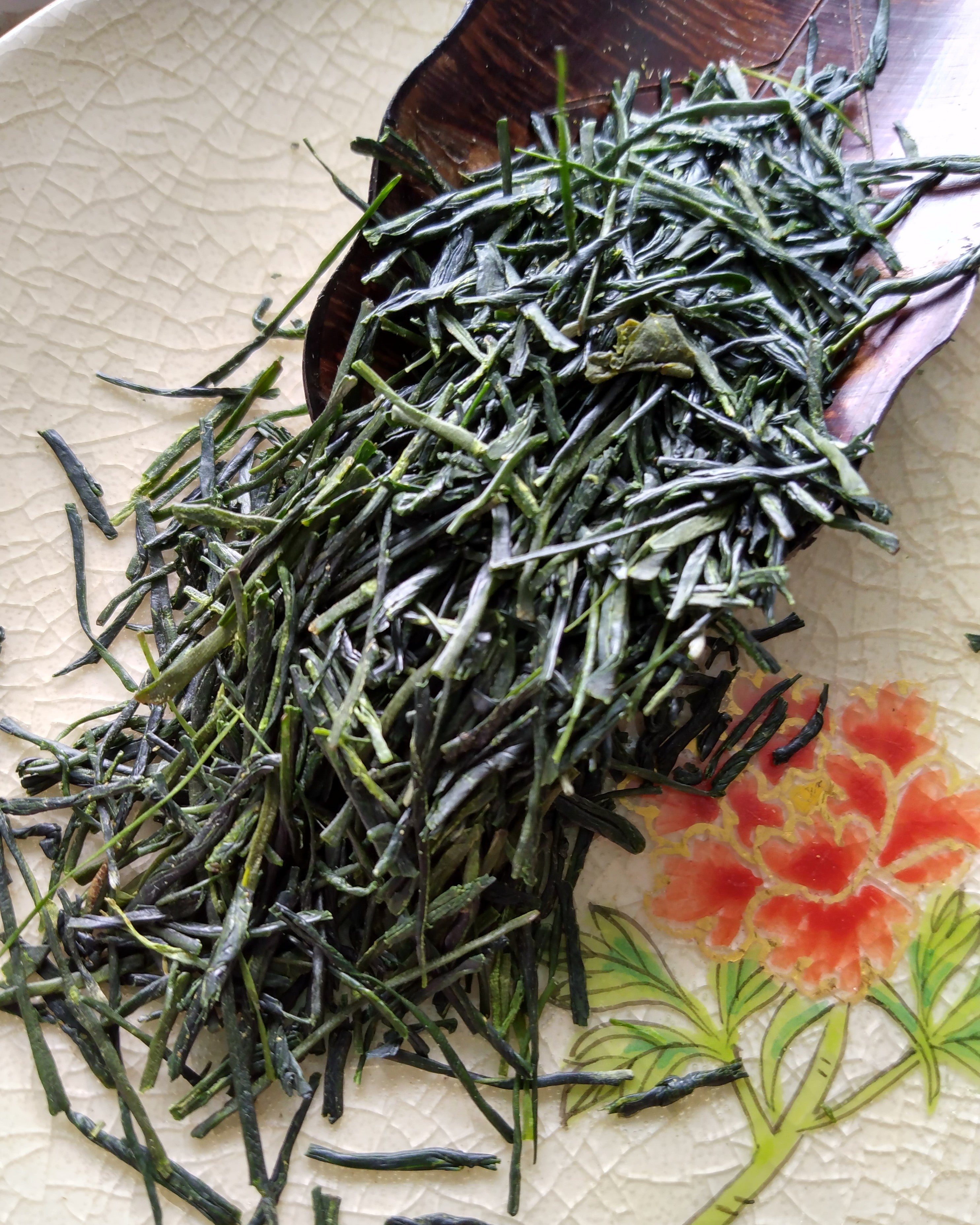
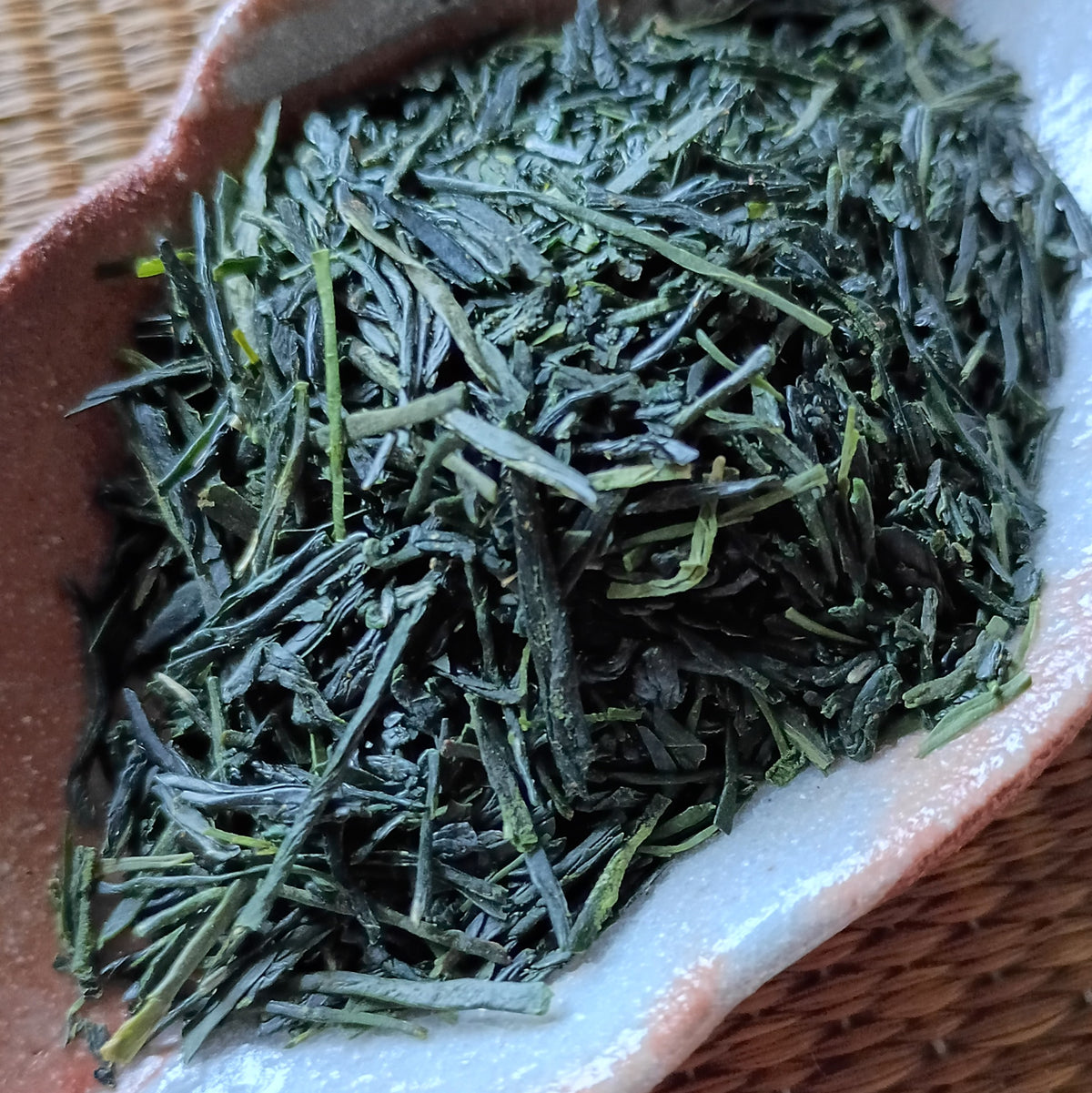
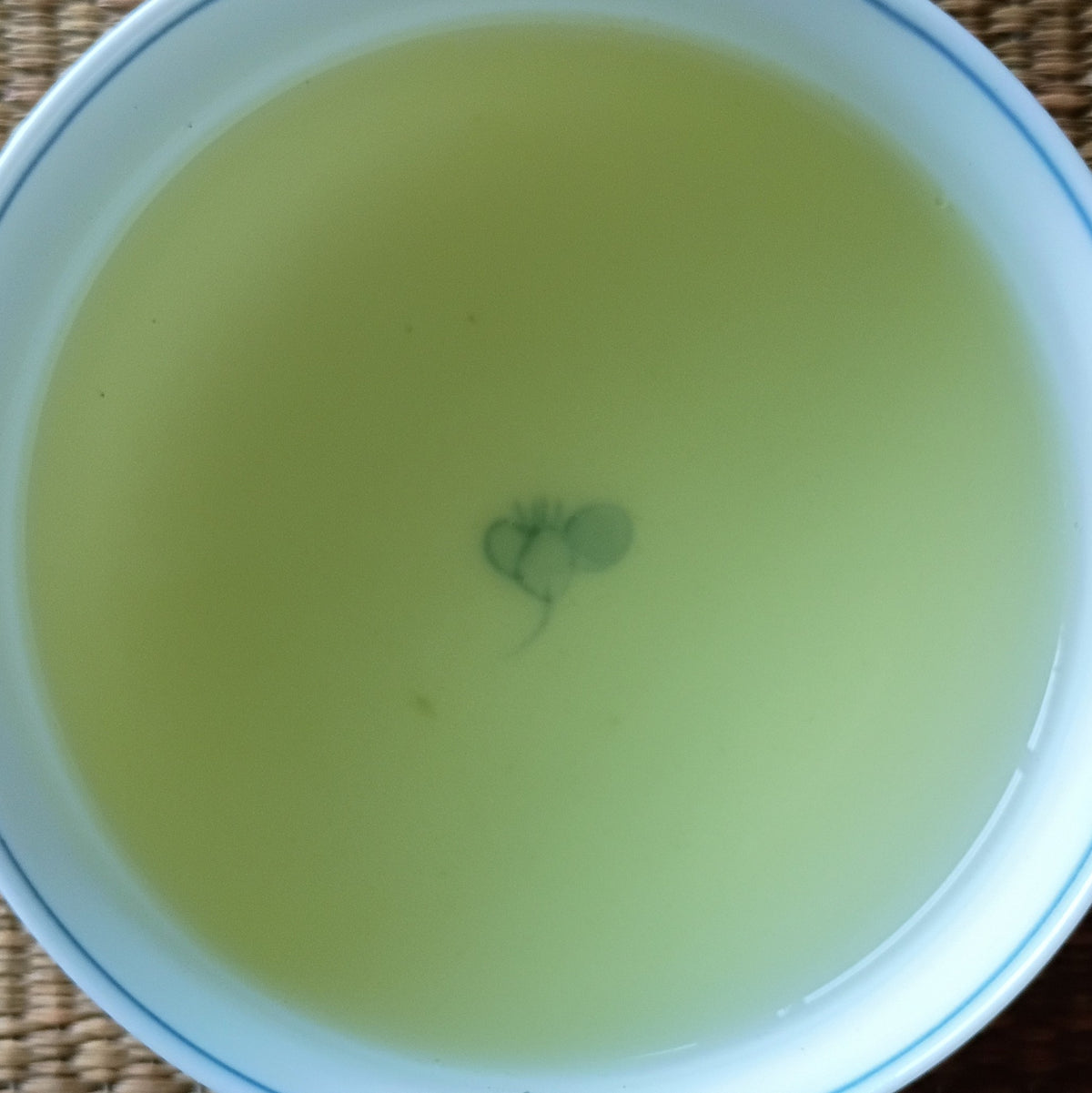
Saemidori Gyokuro - 2026 Shincha (New Harvest Tea.) Naturally grown with no synthetic pesticides or fertilizers. This Saemidori Gyokuro infuses to a medium yellow-green color with a light dashi aroma. It has full buttery mouthfeel and an umami savoriness like dashi broth, to which good Gyokuro is often compared, on the first infusion. Latter infusions bring out a light amami (sweetness), reminiscent of melon, as well as moderate astringency, especially on the finish. Overall, it is smooth and balanced with notes of umami, amami (sweetness), and shibumi (astringency.) Gyokuro, "Jade Dew", is cultivated much like Sencha up until a few weeks before harvest when reed, straw, or netting is applied to cover the tea plants. This partial blocking of sunlight increases L-theanine and caffeine, as well as the plant's natural chlorophyll production which gives more green color to the leaves. These changes also lead to flavor changes with more sweetness and savoriness, amami and umami. Simultaneously catechins and tannins, responsible for some of tea's astringency, are decreased. To be considered Gyokuro, shading must take place for at least 20 days, and typically Gyokuro are shaded about 20-30 days before harvest. To cover (kabuseru) less than 20 days makes the tea a "Kabuse Sencha". Gyokuro is typically the most expensive of the Sencha-type teas, and when tea is made from the stems of Gyokuro, it is referred to as Karigane, or in some parts of Japan as Shiraore (instead of the standard term "Kukicha" used for stems of Sencha, Houjicha, etc.) While Yabukita is the most common cultivar used to make Sencha in Japan, Gyokuro often uses, but is not limited to, Saemidori, Okumidori, and Asahi cultivars. The city of Hioki is on the western coast of Kagoshima, facing out towards the East China Sea. It is a recently formed city created by the mergers of the small towns of Fukiage, Higashiichiki, Hiyoshi, and Ijuuin. Tea farmers there grow a variety of cultivars, including this fine example of Saemidori. |