

Description
|
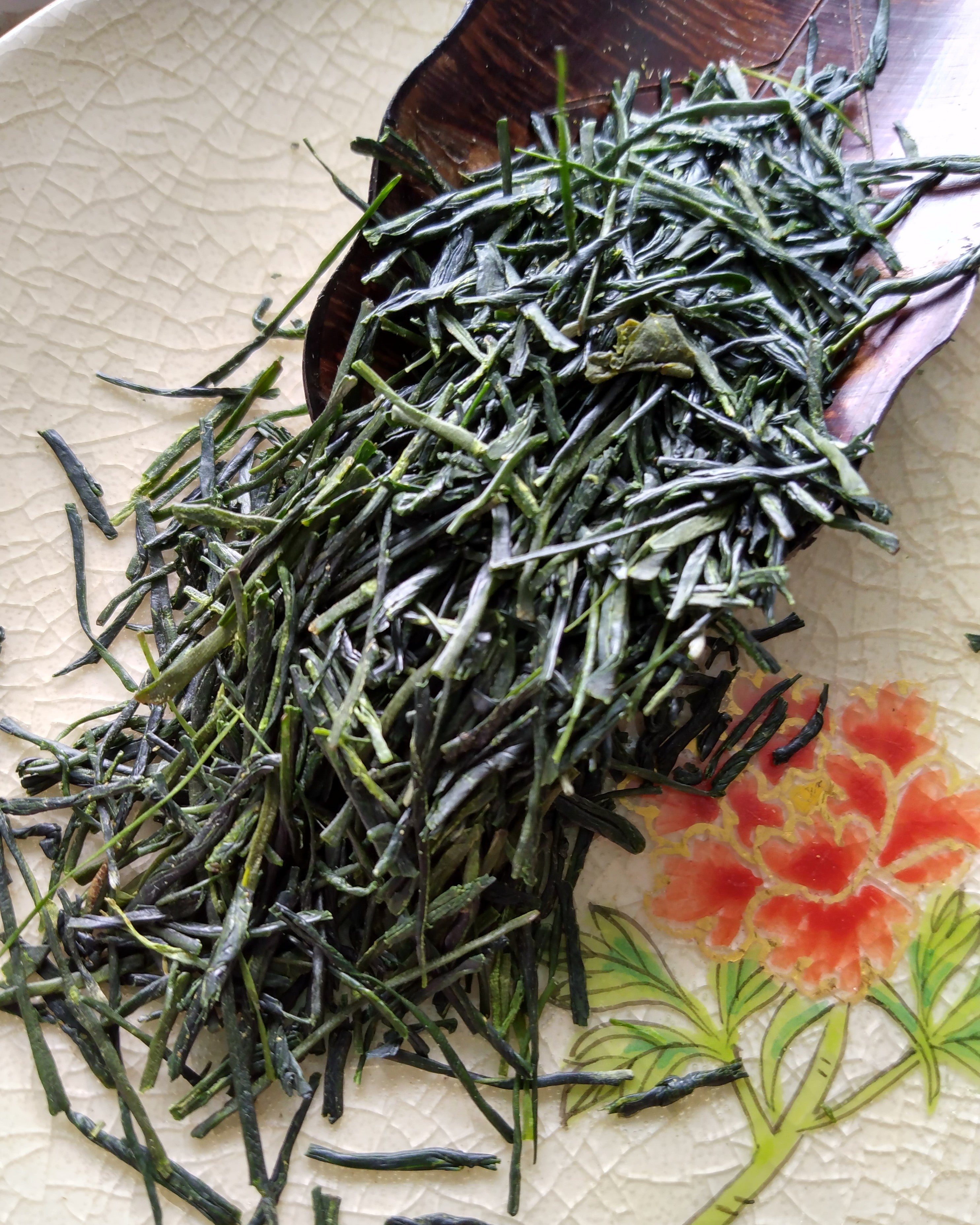
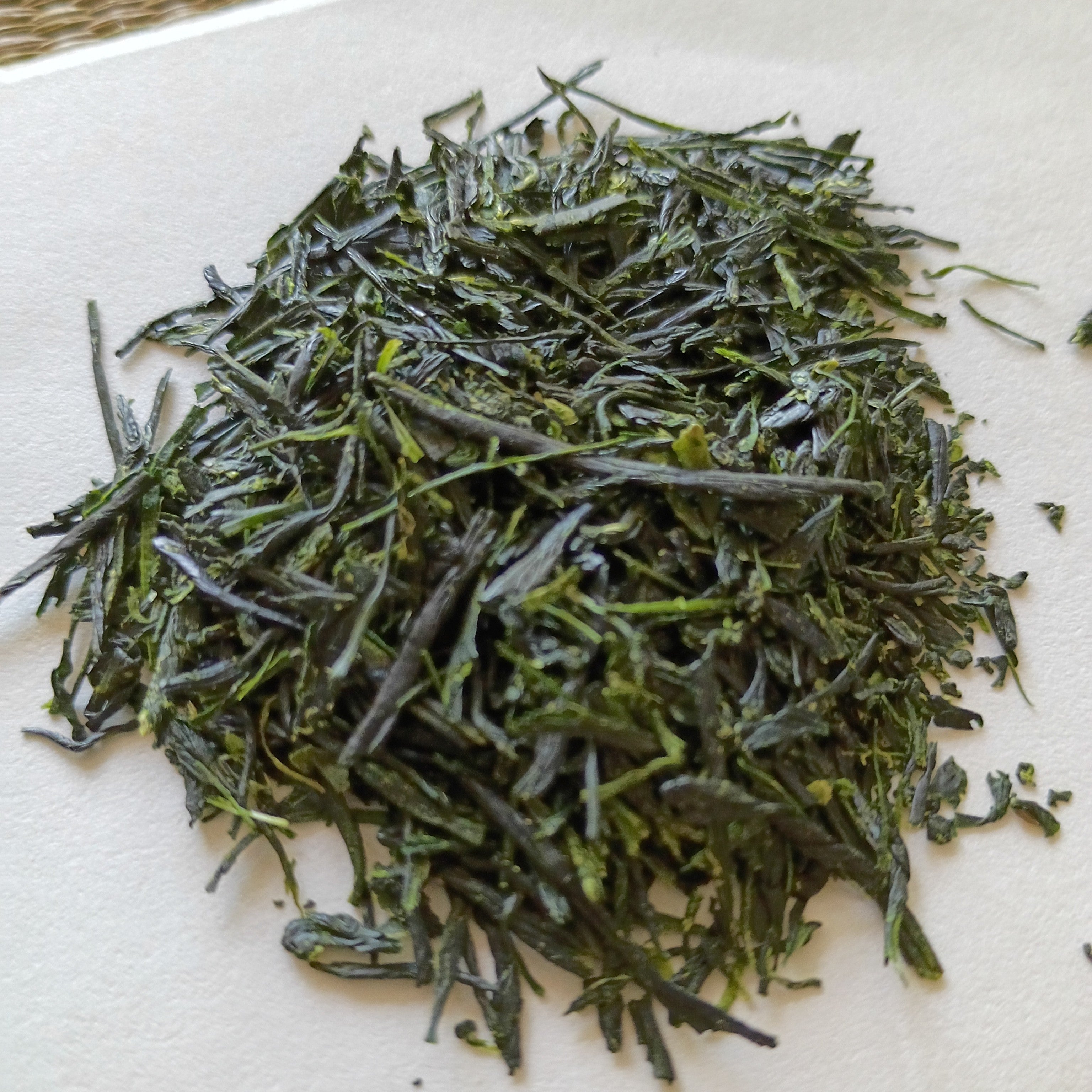
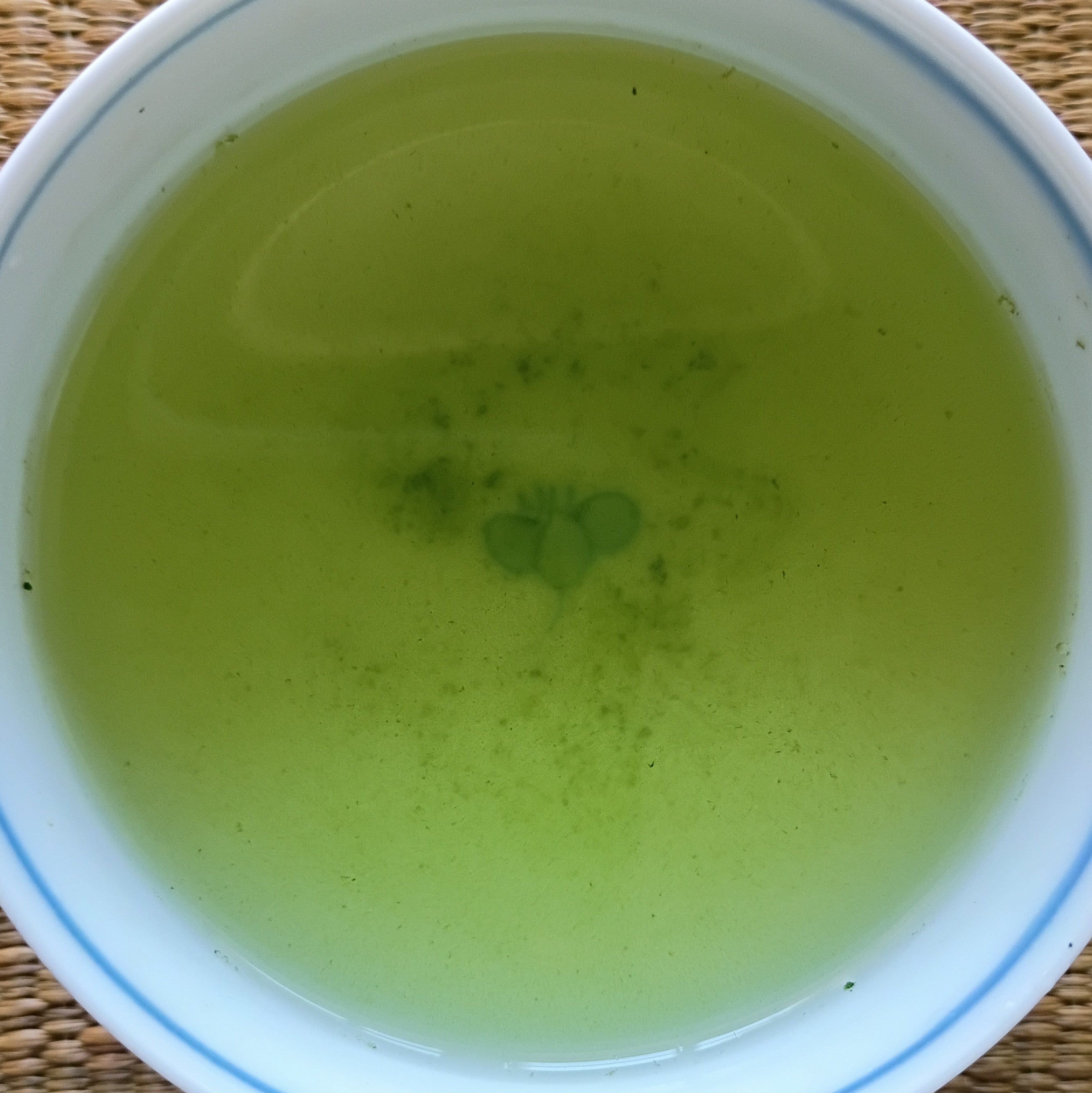
Ujihikari Kabuse Sencha, Uji-cha - 2026 Shincha (New Harvest Tea). Naturally grown with no synthetic pesticides or fertilizers. Shaded 21 days, which is the borderline shading duration requirement between Kabuse Sencha and Gyokuro or Matcha production. Some Kabuse Sencha are shaded for one to two weeks. The Ujihikari cultivar was developed from native tea plants, Zairai, in the Uji region in 1954. It was originally developed for producing Gyokuro and Tencha (the base tea for Matcha) and is used almost exclusively for these teas. It is known for abundant umami and low astringency. This tea infuses to a rich green color with wonderful dashi-like marine aroma. It is full-bodied, smooth, and buttery, and loaded with the umami for which this cultivar is known. The upfront sweetness is light, like spring greens, but continues to emerge more in later infusions. Conversely, the mild astringency on the first infusion fades away in subsequent steeps. This tea can go three to four infusions, but best enjoyed in small volumes, low temperatures, and a long first steep, much like a fine Gyokuro. Uji-cha (Uji Tea) is a protected regional designation established by the Kyoto Tea Industry Association in 2004. Tea must be processed (finished by tea artisans) using the Uji Method in Kyoto Prefecture; but can be grown in Kyoto, or the adjacent prefectures of Nara, Shiga, or Mie. However, preference is given to teas grown and processed in Kyoto Prefecture. While the city of Uji is a mecca for tea shops and tea cafes (and mass tourism), much of the actual growing of tea area is outside of Uji City. Nearly half of the tea grown in Kyoto Prefecture is grown in Wazuka-cho (Wazuka Town), about 16 miles/25 km away (30 minutes by car). This tea is grown and harvested in a Wazuka tea field, then finished by artisan tea processors in Ujitawara, which is mid-way between Wazuka and Uji City (15 minutes, 5 miles/8.5 km). Uji has been a leading center of tea production since the 13th Century (800+ years), and has long enjoyed a reputation in Japan for fine teas. Uji teas were commissioned and enjoyed by high-ranking generals, aristocrats, the Buddhist clergy, and even the Shogun throughout the Edo Period. The Uji region is especially known for the shade-grown teas (Kabuse-cha) that lead to the production of Gyokuro and Tencha (the base tea for Matcha.) The Uji Method of tea production has become the standard of tea agriculture and tea finishing throughout much of Japan since it was developed by Soen Nagatani, and Ujitawara tea farmer, in the 18th C. Because of Uji's rich history of tea culture and tea production, Kyoto Prefecture is currently working on getting recognition for the Uji tea region as a UNESCO World Heritage Site. |