

Description
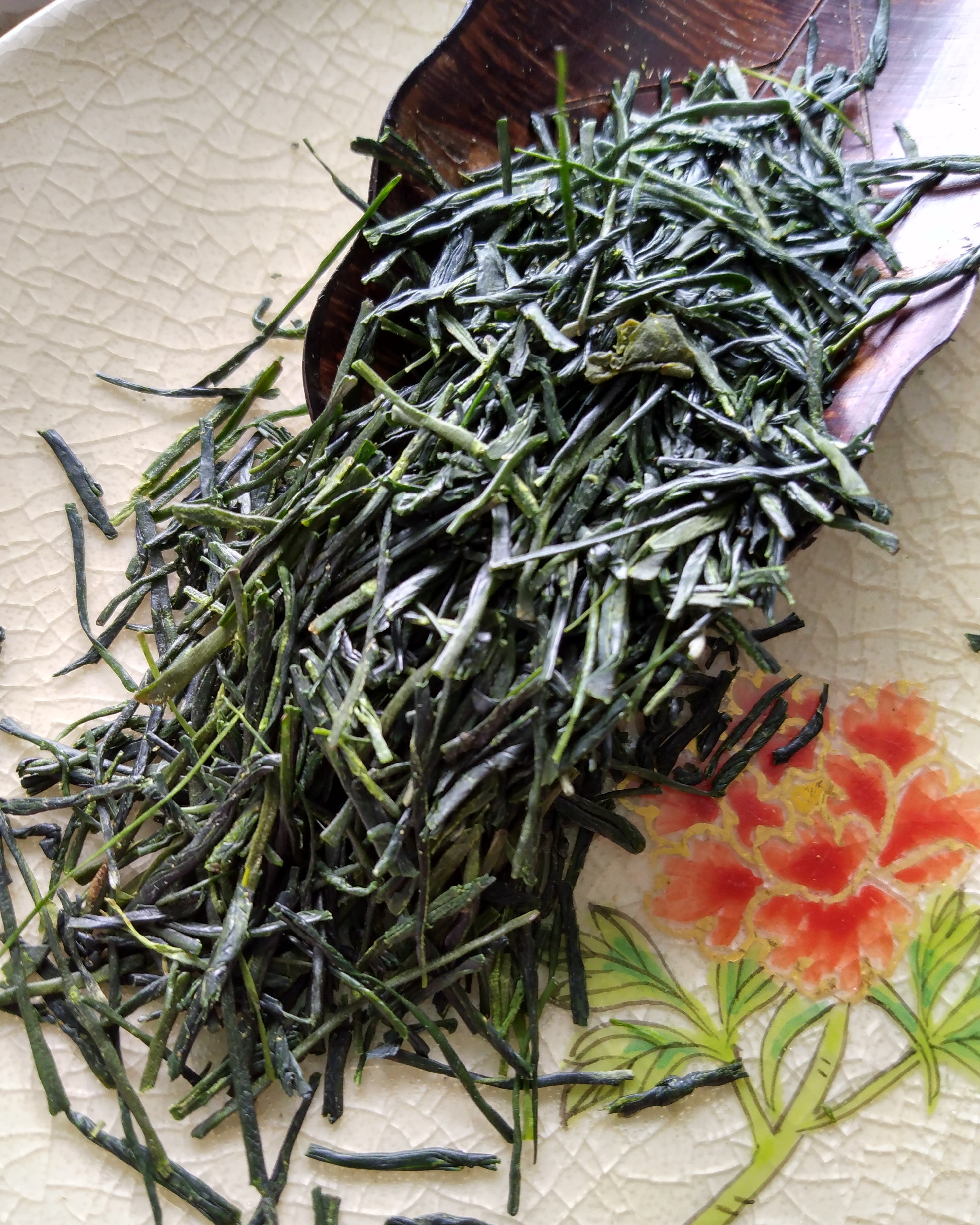
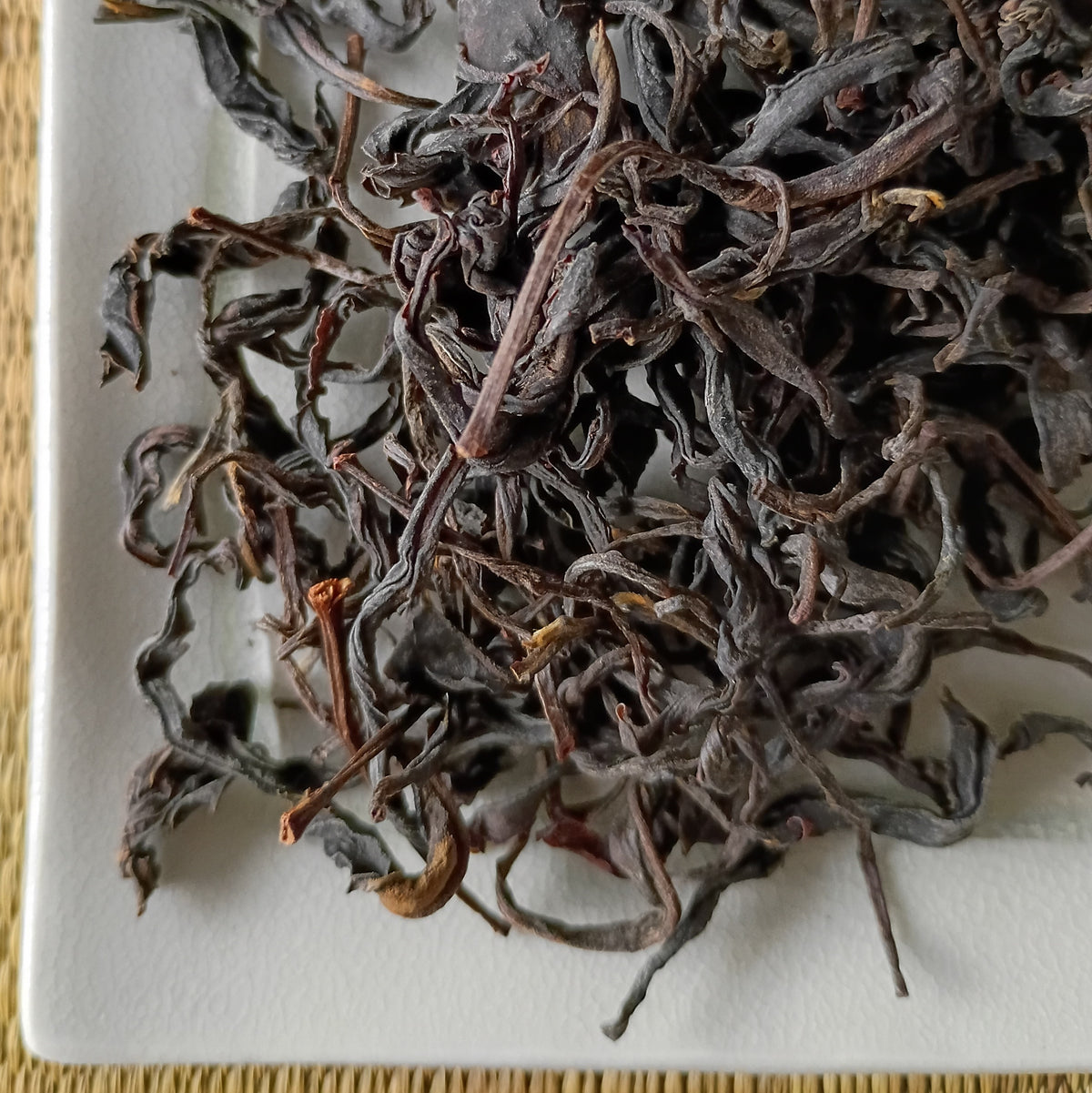
Asamiya Benifuuki WaKoucha (Japanese Black Tea) - 2026 Ichibancha (First/Spring Harvest Tea.)
Origin: Asamiya Tea Region, Koka City, Shiga Prefecture Cultivar: Benifuuki ("Crimson Riches") , a favorite cultivar for black tea cultivation in Japan, with ancestry from both Assam and Darjeeling, but also used for green tea due to high levels of O-methylated catechins (when used for green tea.)
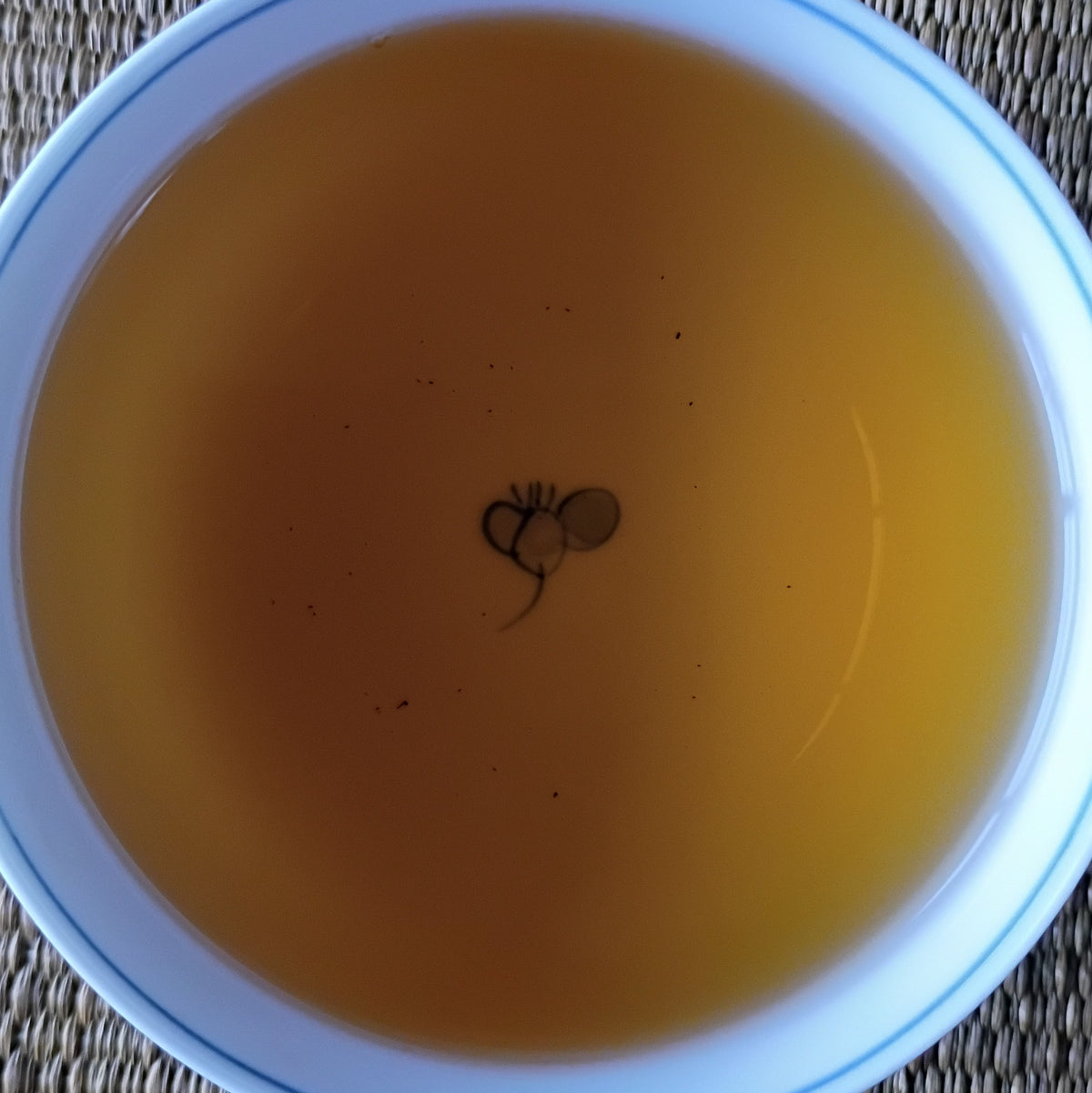
This tea infuses to a lovely red-orange with a floral and slightly fruity aroma. There are notes of stone fruit (cherry, plum, etc.) sweetness and a nice citrus peel astringent finish. It is well-balanced, with a bit more sweetness emerging in latter infusions. This tea is smooth and mellow, for an elegant tea time any time of day.
Asamiya-Cha (Asamiya Tea): Along with tea from Uji (Kyoto), Sayama (Saitama), Kawane and Honyama (Shizuoka), Asamiya in Shiga Prefectures is known as one of the “Five Great Historic Tea Regions” of Japan. The Asamiya tea growing region in southern Shiga Prefecture lies mostly at high altitudes of 450-550 meters, nick-named the “Tea Fields in the Sky.” It has long been an area well-suited to tea production, with good soil, wide morning-evening temperature variations, and heavy mists. There is a stone stele on the grounds of Iwatani Senzen-ji Temple in Shigaraki Town that marks the beginnings of Asamiya tea in the early 9th C. This 1,200+ year history and growing tradition is something of which Asamiya tea producers are especially proud. Even in modern times, Asamiya teas have fared very well in regional and national tea competitions.
Next to the monument to Asamiya tea at Iwatani Senzen-ji, another stone tablet commemorates a visit in 1694 by the famed haiku poet Matsuo Bashō. The poem he composed was also related to the local tea:
木隠れて茶摘みも聞くやほととぎす
Kigakurete chatsumi mo kiku ya hototogisu
Amidst the trees
Could the women tea pickers
Hear the brush warbler’s song?
Ōmi-cha (Oumi Tea) is the collective term for teas from Shiga Prefecture, Ōmi being the old provincial name prior to 1872. Shiga Prefecture is located in central Japan; sharing borders with Kyoto, Mie, Aichi, and Fukui Prefectures. It is best known as the prefecture that contains Lake Biwa, Japan’s largest freshwater lake. It is not as well-known as a tea producing region as neighboring Kyoto, famous for Uji teas; or Shizuoka or Kagoshima Prefectures, which are typically the top first and second ranked producers by volume. In fact, Shiga is not even in the top ten prefectures ranked by production. However, Shiga Prefecture stands out in historical importance, and in tea quality.
In terms of tea quality, Shiga Prefecture tea often ranks highly in national and regional tea competitions.
There are three main regional brands among teas grown in Shiga Prefecture; Asamiya (South Shiga; Shigaraki Town, Koka City), Tsuchiyama (SE Shiga; Tsuchiyama Town, Koka City), and Mandokoro (SE Shiga, Mandokoro Village, Higashiōmi City, close to the Suzaka Mountains and the Mie Prefecture border.) Asamiya and Tsuchiyama teas have done very well through the years in both the regional Kansai Tea Competition, and the All-Japan National Tea Competition, especially in the Sencha and Kabuse Sencha categories.
As for tea history, when the Buddhist monk Saichō (767-822 C.E. born in Ōmi City, in present-day Shiga) first brought tea seeds back from China to Japan in 805 C.E. and began cultivation around Mount Hiei, which straddles the border of Kyoto and Shiga Prefectures. On the Shiga side, this was thought to be at Hiyoshi Shrine, which still maintains a small tea garden today. In 815 C.E., the monk Eichū served tea to the Emperor Saga, who then ordered that further tea cultivation be established five locations around the region, one of which was the area around the Hiyoshi Shrine tea garden. For these reasons, Shiga Prefecture, with a tea history of over 1,200 years, is sometimes called the “birthplace of Japanese tea cultivation.”