

Description
Yaeho Otonashi Sencha, Hongu, Wakayama - 2026 Shincha (New Harvest Tea), Naturally grown with no synthetic pesticides or fertilizers.
Origin: Grown by Natsumi Chatsumi Tea Farm in the town of Hongu, Wakayama Prefecture.
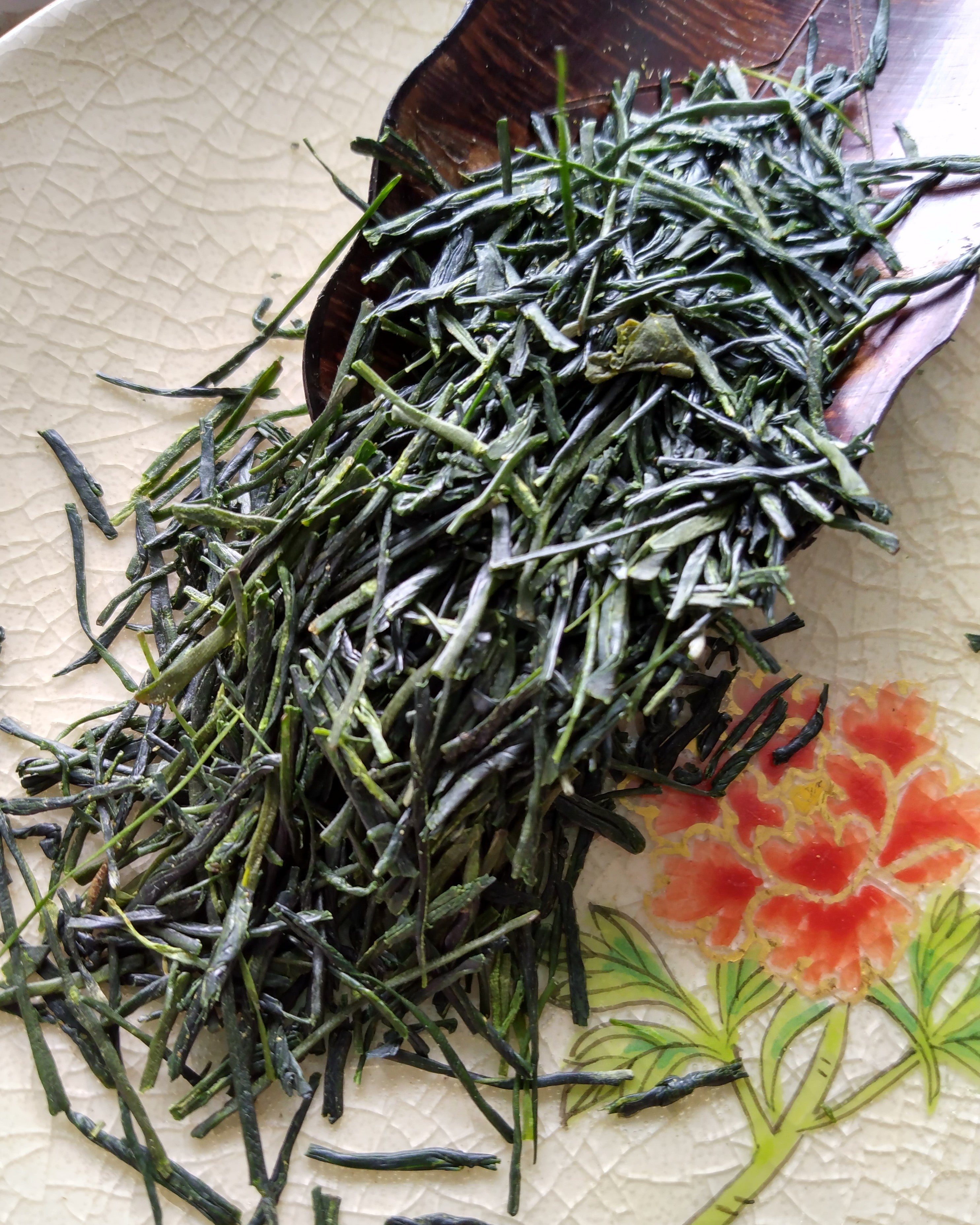
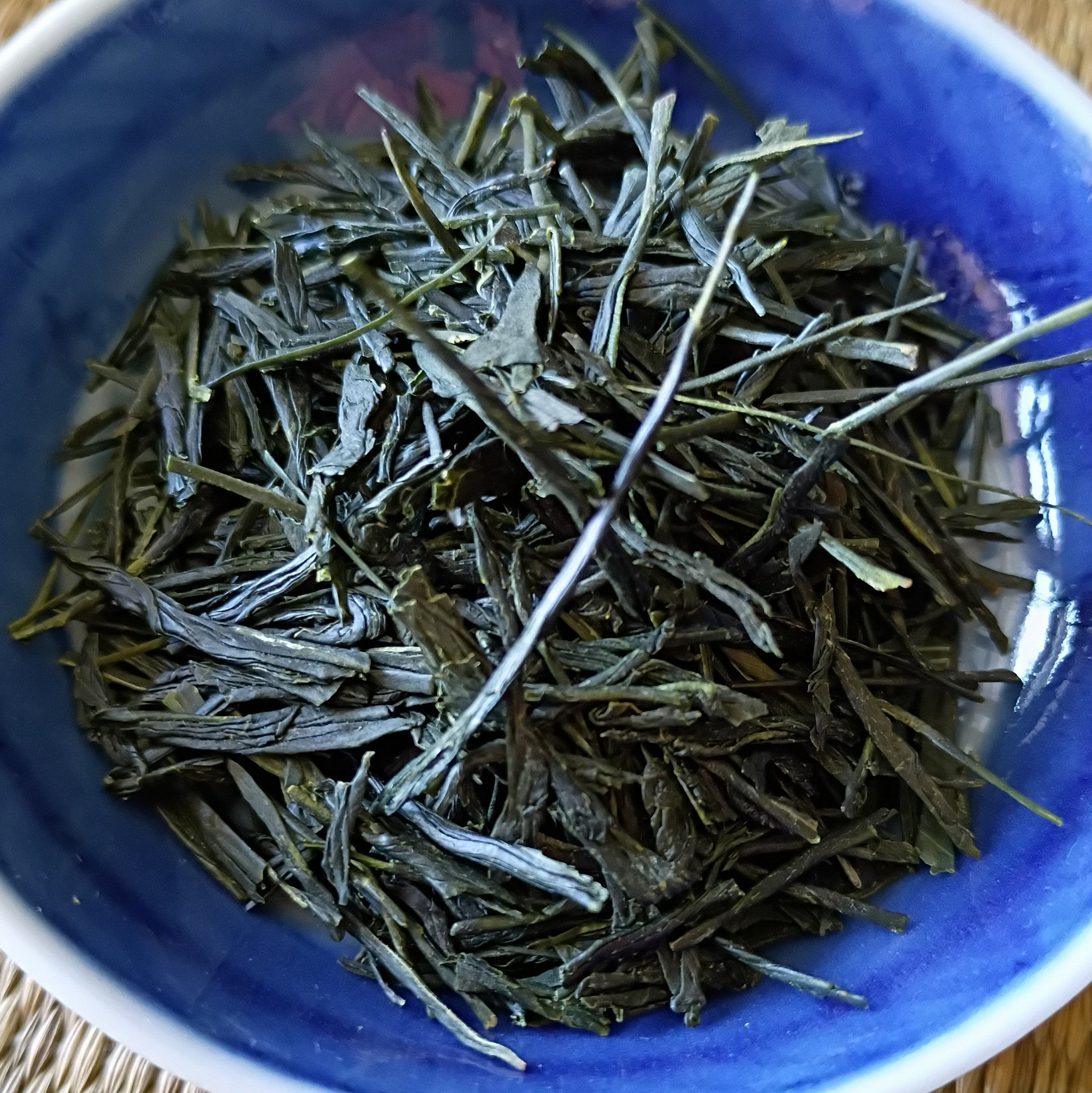
Cultivar: Yaeho, a quite rare cultivar these days. It was planted by the current farmer's grandparents in Showa 45 (1970) on the recommendation of prefectural agricultural advisors who promoted expanded tea growing in the region at that time. It's a dense growing tea that has good resistance against disease and insects, so is able to grow well with minimal fertilization. It does produce a more yellow color with higher astringency, so the farmers partially shade-grow Yaeho by covering with a black cloth for a week prior to harvest to increase chlorophyll production and to decrease astringency. It is almost a Kabuse Sencha.
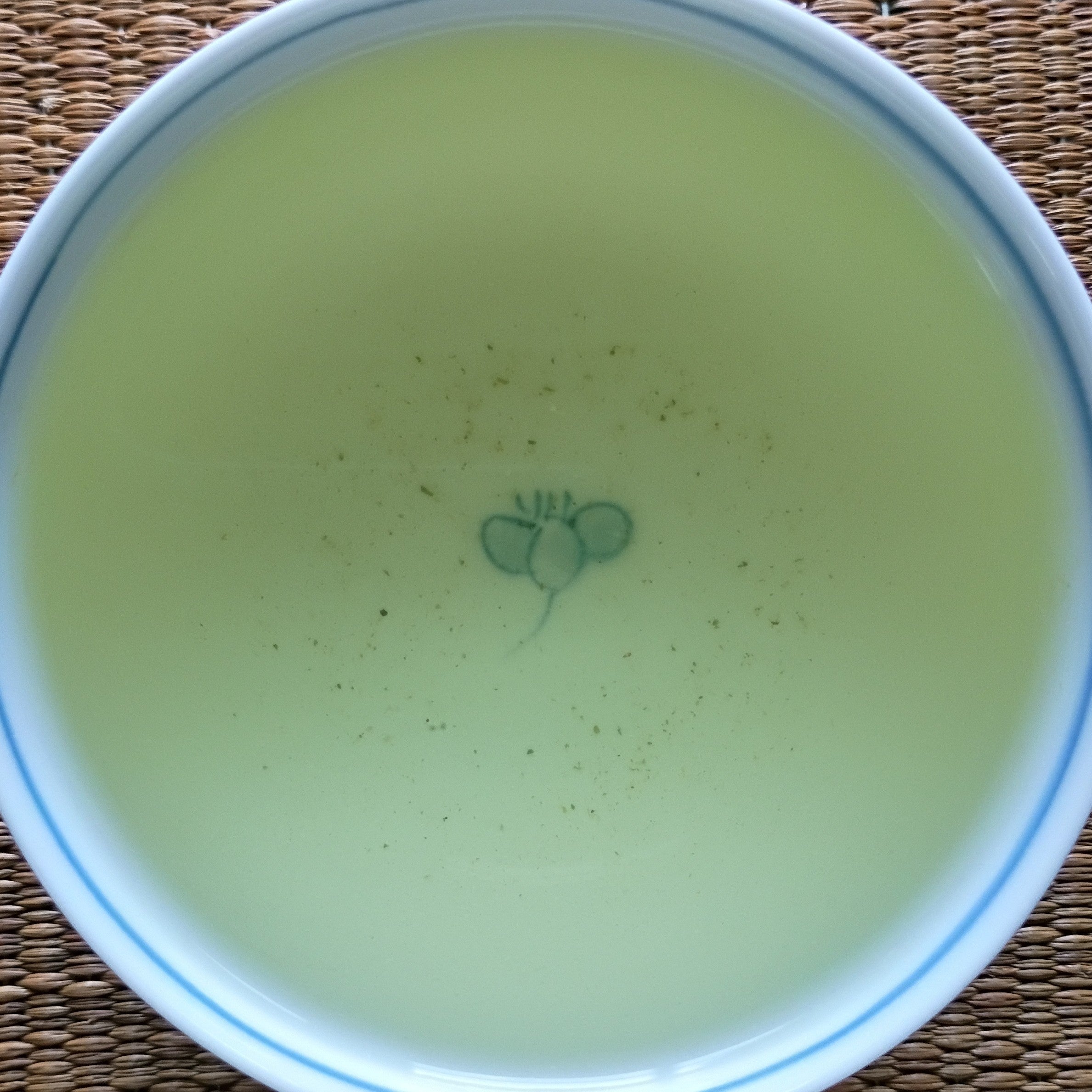
The tea brews to a very clear yellow-green with a faint marine air aroma (despite being a mountainous region, they are still just about 25km/12 miles from the Pacific Ocean). The first infusion is full-bodied and smooth, almost buttery, with a good balance of umami, light honey sweetness, and a light astringent finish. Subsequent infusions are a little lighter but still with the same balanced profile. The tea farmers recommend lower water temperatures and short infusion times bring out the best in this tea, and I've found that to be true in my tastings as well. This method works best if you prefer to keep the astringency levels down, and to enjoy the natural sweetness of this tea. This type of Sencha is the traditional Otonashicha grown for the sacred shrine of Kumano Hongu Taisha, and for those journeying along the Kumano Kodo Pilgrimage Trail.
Teas from Wakayama Prefecture, collectively known as "Kishu" teas, from the old provincial name of the region, are extremely rare in Japan, accounting for just a fraction of the 0.2% share produced outside of the main tea centers of Shizuoka, Kagoshima, Miyazaki, Kyoto, Shiga, Mie, etc. Within the family of Kishu Teas are some smaller regional specialties, including Otonashicha (Otonashi Tea) from the Kumano area near Tanabe City, focused in Hongu Town. The literal translation of "Otonashi" is "No Sound", and refers to the Otonashi River, a small and quiet river near Kumano Hongu Taisha, one of the most sacred Shinto shrines in the region. This old regional specialty has almost died out, with a reported 100 farms in the last century now dwindled down to just a few remaining in Hongu, including Natsumi Chatsumi Tea Farm, as well as a small amount of tea grown by the shrine itself for their annual "Shincha-Sai" (New Harvest Tea Ceremony).
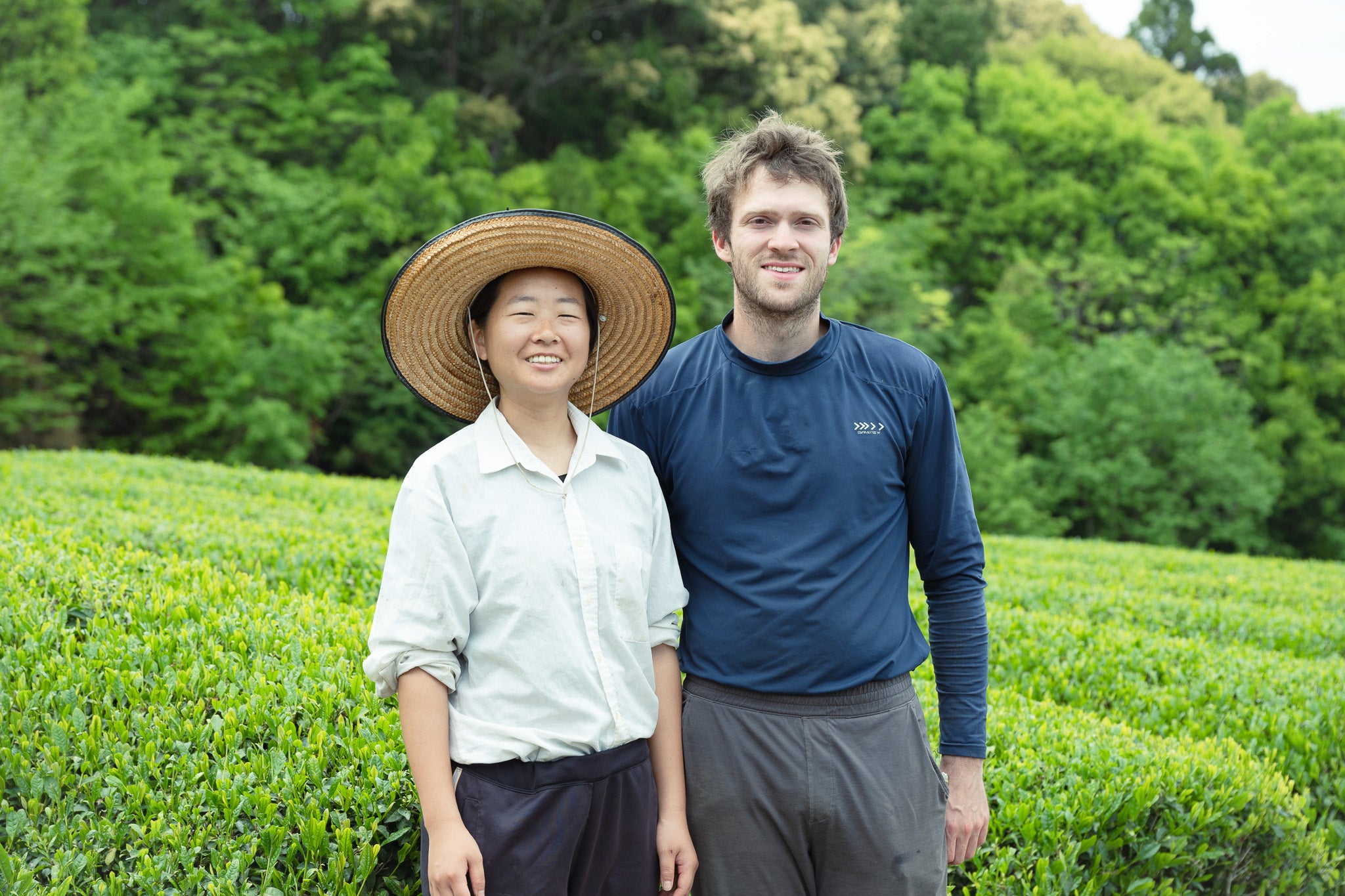
Natsumi Chatsumi Tea farm is run by Natsumi Kurihara, who in 2020 returned to her hometown from the big city of Osaka, and took over the reigns from her late grandparents who farmed the same tea fields from 1970 until her grandfather's passing in 2018. She is joined by her husband, Jordan Schulenberg, a devoted tea enthusiast from the United States who was already working in tea in Japan when he began volunteering at Natsumi's farm in 2023. Together, they are working diligently to revive the local brand of Otonashicha (Otonashi tea), and to help revive the local economy.
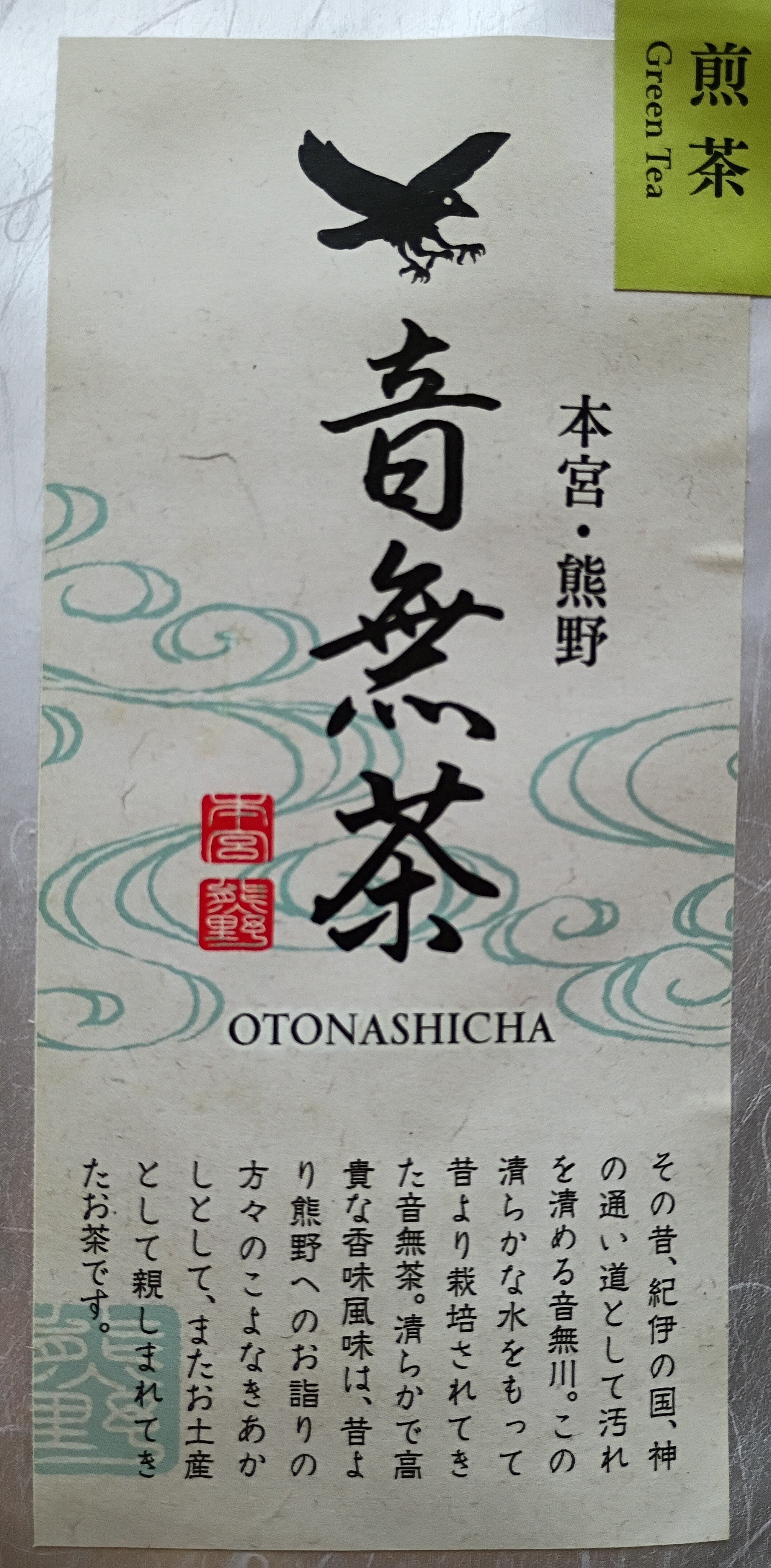
Natsumi Chatsumi Tea Farm has been approved by Kumano Hongu Taisha (holder of the registered trademark) to continue use of "Otonashicha" as a regional brand name, as well as the use of their Sencha in the annual Shincha-sai (New Harvest Tea Ceremony). They have also been approved to use the "Yatagarasu" (a legendary three-legged crow) as logo on their tea packages*. The Yatagarasu was sent by the Sun Goddess, Amaterasu, to aid Japan's first emperor, Jimmu Tennou, to navigate the rugged mountain passes of the Kumano region to the regions of modern-day Yoshino and Kashihara, which would become Yamato, Japan's first Imperial Court and unified capital, around 660 BCE (with a date of February 11 still celebrated as a public holiday in Japan as National Foundation Day (Kenkoku Kinen no Hi).
As you can see, there is a lot of history in every cup of Otonashicha, from Wakayama's sacred Kumano region. I am proud and delighted to be working with Natsumi Chatsumi to bring Otonashicha to my Charaku Tea friends!
*A rough translation of the label text: "The Otonashi River purifies impurities along the sacred path of the deities of Kii Province. It is with these pristine waters that Otonashi Tea has been cultivated since ancient times. Cherished for its pure, noble aroma and flavor, this tea has long been a favorite among pilgrims visiting Kumano—both as a delightful refreshment and as a treasured souvenir."