

Description
|
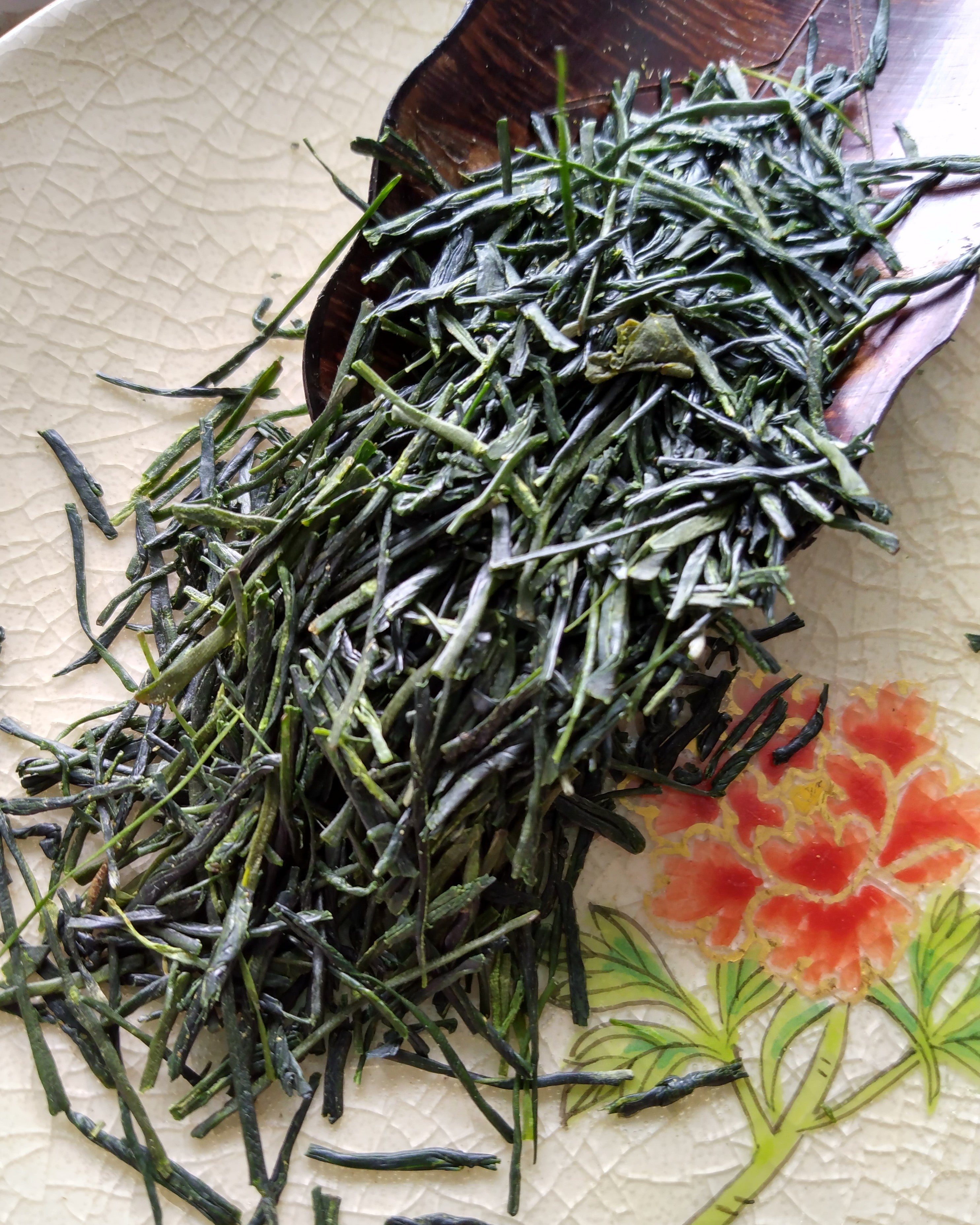
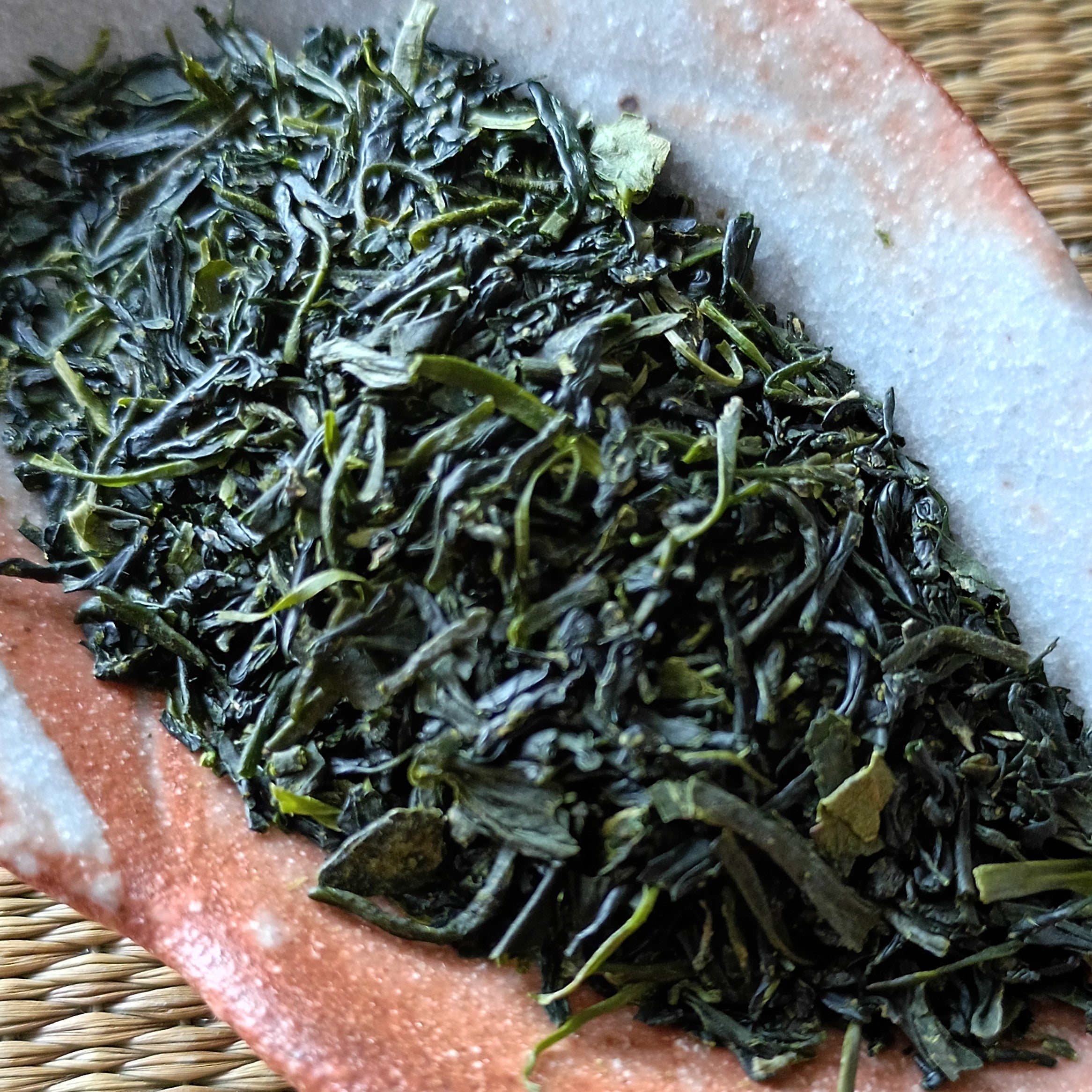
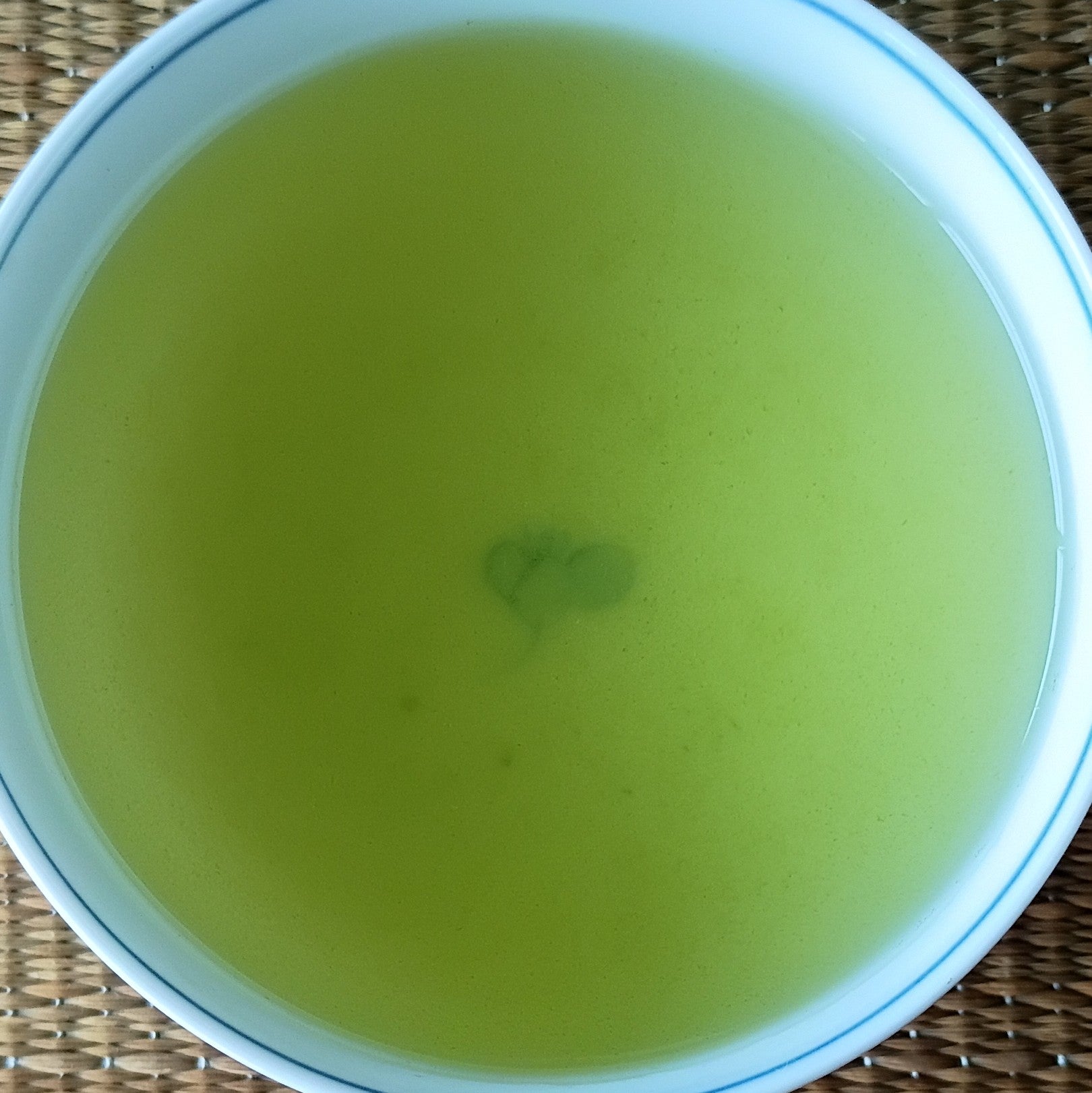
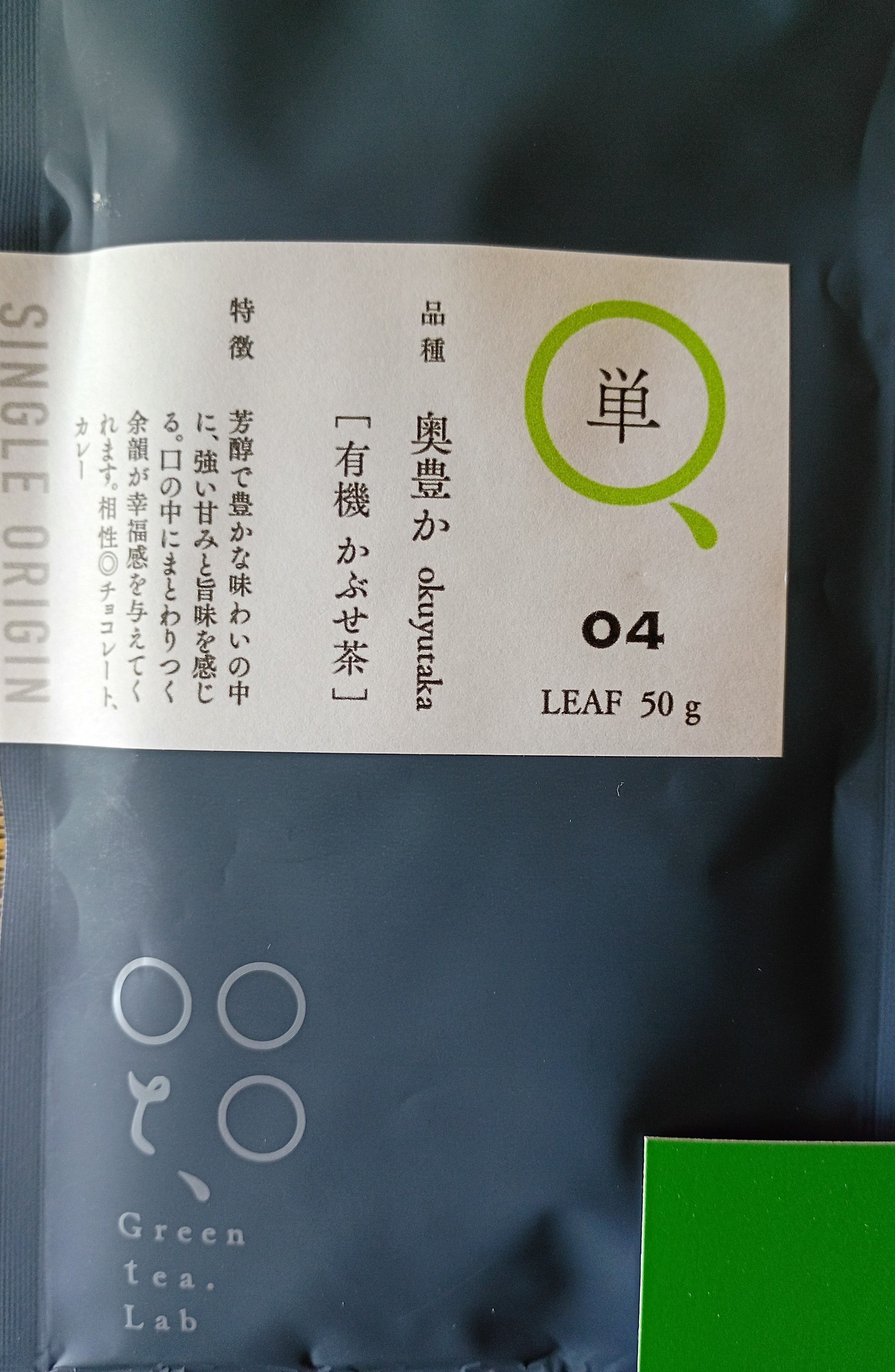
Kabuse (covered) Guricha (Tamaryokucha) - 2026 Shincha (New Harvest Tea). Naturally grown with no synthetic pesticides or fertilizers. **This product is sold in the original retail packaging, direct from the producer. Despite difficult conditions in Kumamoto following the 7.1 earthquake on July 28th, farmer Matsumoto was able to send me some of his tea. I've paid full retail for these, plus shipping, so that farmers are getting help after the disaster, and 100% of my sales of this tea will go back to Kumamoto to assist artisans affected by the earthquake. PLEASE NOTE, THIS TEA PRICE DOES NOT COUNT TOWARDS THE $100 FREE SHIPPING ORDER TOTAL. THANK YOU FOR YOUR UNDERSTANDING.** Producer's notes: "It has a rich and full-bodied flavor, with a strong sweetness and umami. The lingering aftertaste leaves a feeling of happiness. Excellent pairings: chocolate, curry." This tea is a "Guricha," the regional term for Tamaryokucha, or rolled tea. While grown in the same way as traditional Sencha, the tea does not go through the final needle-shaped rolling step but instead is hand-rolled into a more curly or comma shape. This is a common tradition is the areas of Kumamoto, Saga, Nagasaki, and Miyazaki Prefectures on Japan's southwestern island of Kyushu. As a tea shaded prior to harvest (as are Gyokuro, but with a shorter shading time), it is also a Kabusecha (shaded tea), which aids in the production of umami and sweetness, while reducing the amount of astringency. A full-bodied tea with great balance of umami, amami (sweetness), and shibumi (astringency), with the astringency being very smooth and light. It infuses to a clear green color on the first infusion and then opens up to a more emerald green on latter infusions, of which I find four to be easy to brew. There is a light dashi-like umami, and astringency stays low and mellow throughout multiple infusions. I've found that the Tomizawa Farm's teas that I have tried to all be smooth, mellow, and well-balanced. The Tomizawa Tea Farm was founded in 1928 and Tomizawa Kenji is currently the fourth generation head. The farm has had JAS Organic Cerification since 2025, as farmer Tomizawa has chosen to farm naturally with no synthetic fertilizers or pesticides. His philosophy is to nourish the soil naturally to create a tea with the original taste of the tea plant that has umami and sweetness, and that is round and mellow. A profound quote from farmer Tomizawa, "I will do my best through tea to make a world full of laughter and love for everyone without hatred, envy, and jealousy." Kumamoto Prefecture ranks about 9th in Japan tea production among the 47 prefectures, but has not been one of the better-known tea regions domestically or internationally. Mashiki lies a little over 30 miles (11.6 km) east of Kumamoto City, near the foothills of the Minami-Aso mountainous region with rich volcanic soil. Here, there is a movement toward naturally-grown tea practices, and fine artisan teas there are now starting to be recognized inside and outside of Japan. Kumamoto Prefecture ranks about 9th in Japan tea production among the 47 prefectures, but has not been one of the better-known tea regions domestically or internationally. In the Minamata area, blessed with higher altitude plantations and rich volcanic soil, there is a movement toward naturally-grown tea practices, and fine artisan teas there are now starting to be recognized inside and outside of Japan. |