

Description
|
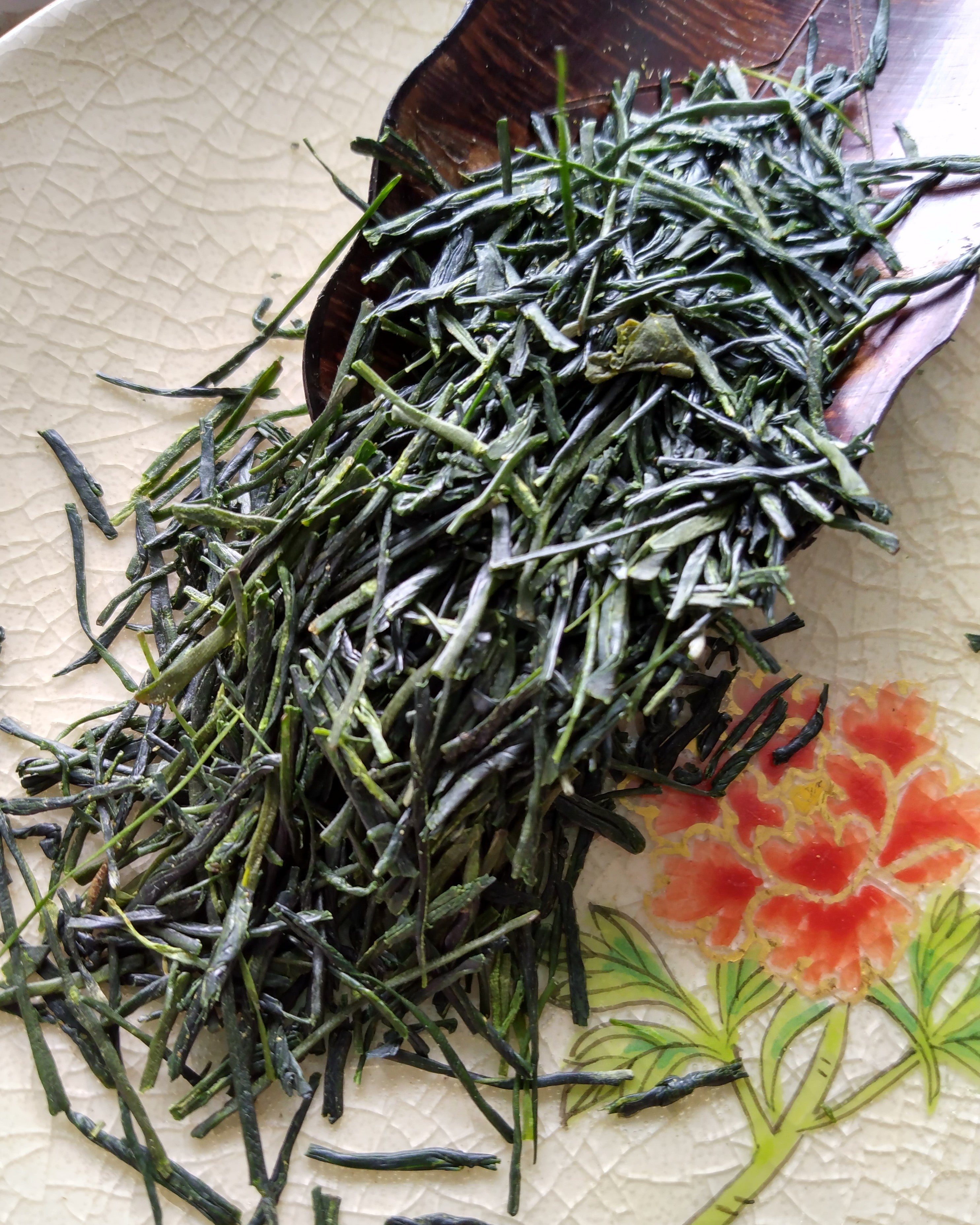
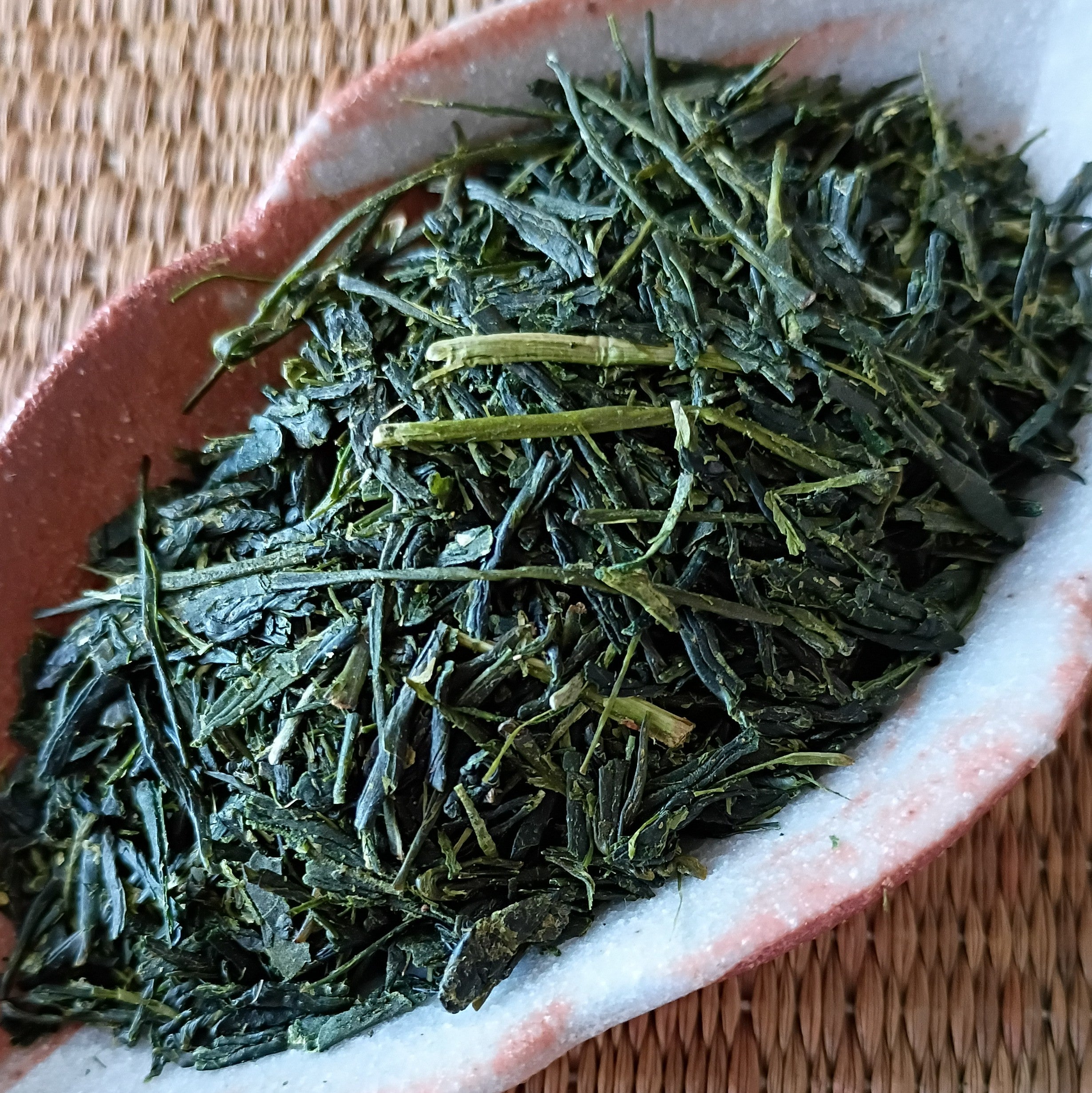
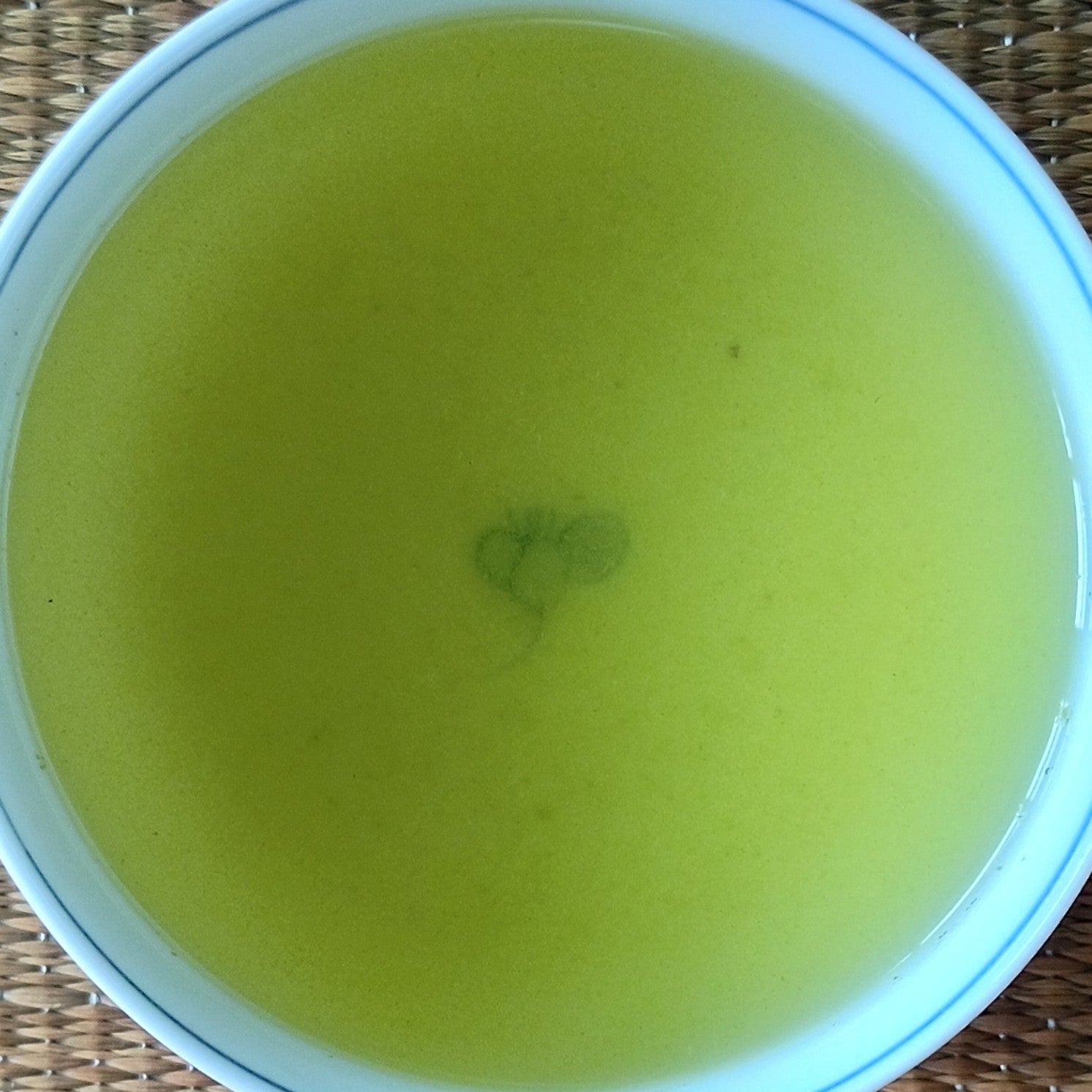
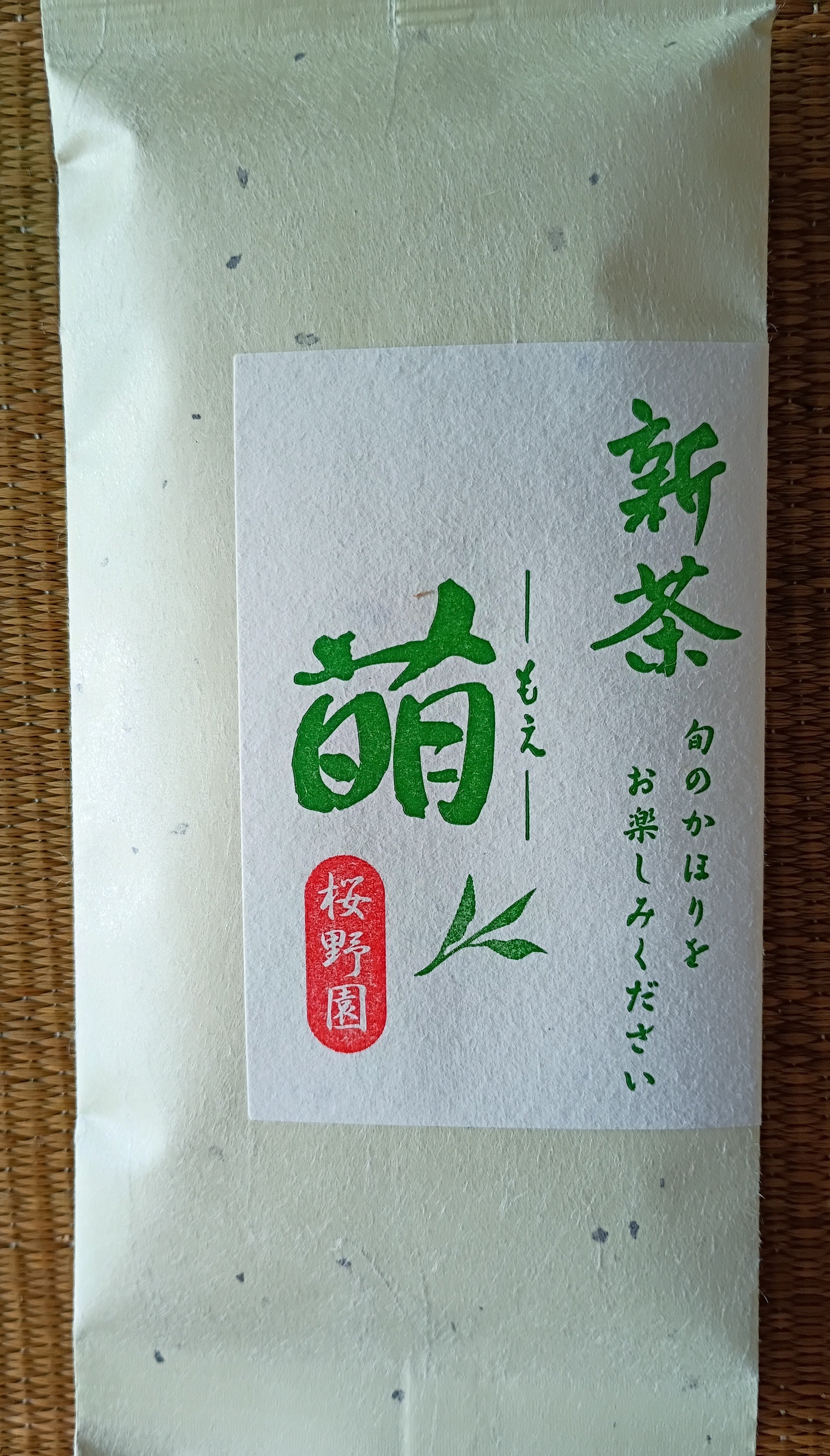
"Shincha Moe" Sencha - 2026 Shincha (New Harvest Tea). Naturally grown with no synthetic pesticides or fertilizers. **This product is sold in the original retail packaging, direct from the producer. Despite difficult conditions in Kumamoto following the 7.1 earthquake on July 28th, farmer Matsumoto was able to send me some of his tea. I've paid full retail for these, plus shipping, so that farmers are getting help after the disaster, and 100% of my sales of this tea will go back to Kumamoto to assist artisans affected by the earthquake. PLEASE NOTE, THIS TEA PRICE DOES NOT COUNT TOWARDS THE $100 FREE SHIPPING ORDER TOTAL. THANK YOU FOR YOUR UNDERSTANDING.** "Moe" (moh-ay) means bud or sprout, and this tea is harvested in April when the first leaves are still very small. The resulting tea has a lovely green color and grassy aroma with a buttery mouthful. It has a good balance of umami (savoriness), amami (sweetness), and shibumi (astringency), that drinks very smoothly. On multiple infusions, I was rewarded with notes of melon, nuts, citrus, and sansho pepper. Founder Matsumoto Katsuyoshi began planting a tea farm in the Sakurano-kami region of Minamata, Kumamoto, in 1927. It was named "SakuranoEn" by noted Japanese journalist and historian, Tokutomi Sohou (born in Minamata in 1863, when Kumamoto was still Higo Province.) Since 1990, the Matsumoto family has been pursuing natural farming methods that do not use synthetic fertilizers or pesticides. In 2005, they began to eliminate fertilizers and pesticides altogether. Their teas are grown at altitudes ranging from 250-600 meters. At this time, they are even using biodiesel from used tempura oil to power their farming equipment, maintaining the importance of being good stewards of the land in order to make the best tea possible. Kumamoto Prefecture ranks about 9th in Japan tea production among the 47 prefectures, but has not been one of the better-known tea regions domestically or internationally. In the Minamata area, blessed with higher altitude plantations and rich volcanic soil, there is a movement toward naturally-grown tea practices, and fine artisan teas there are now starting to be recognized inside and outside of Japan. |