

Description
|
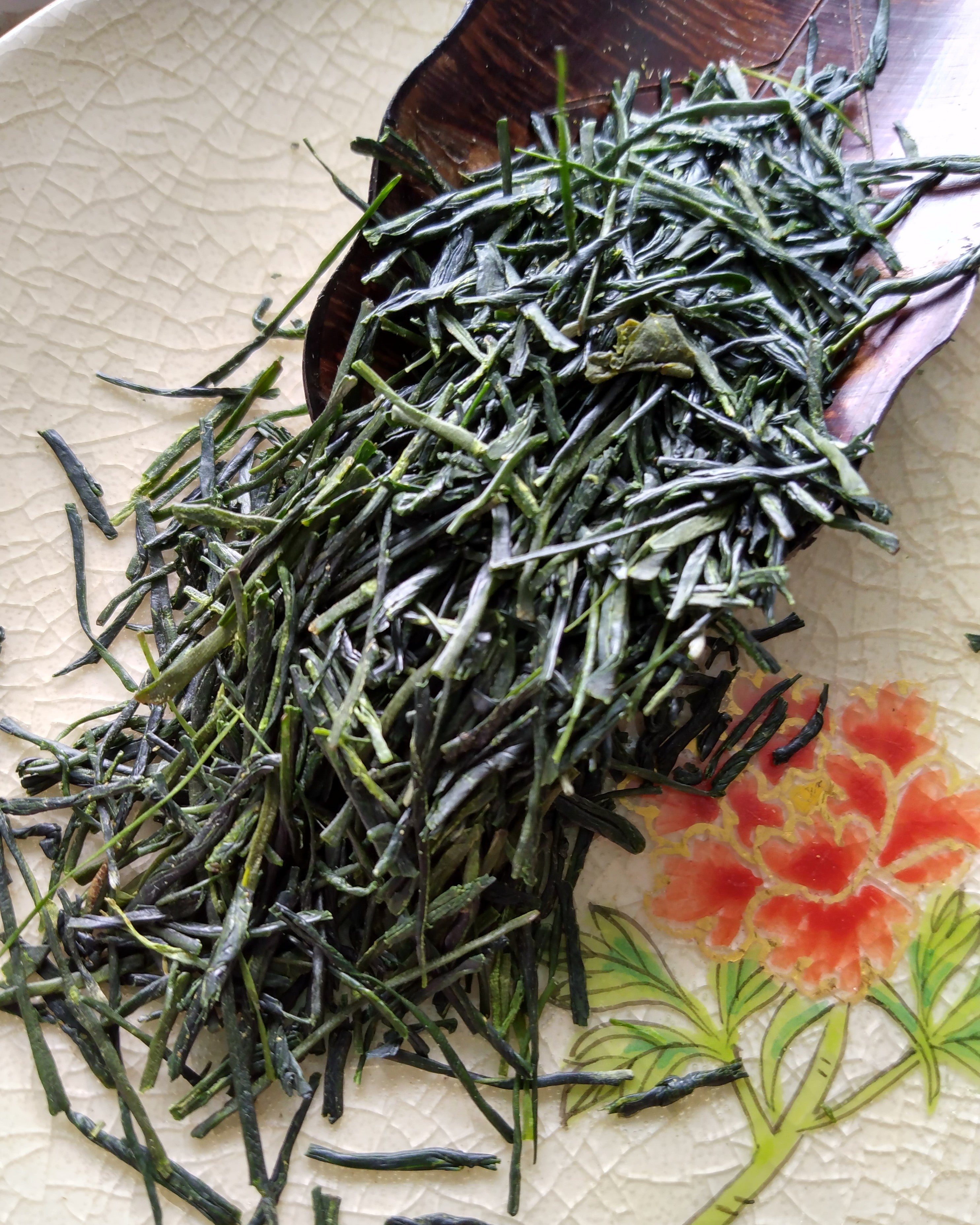
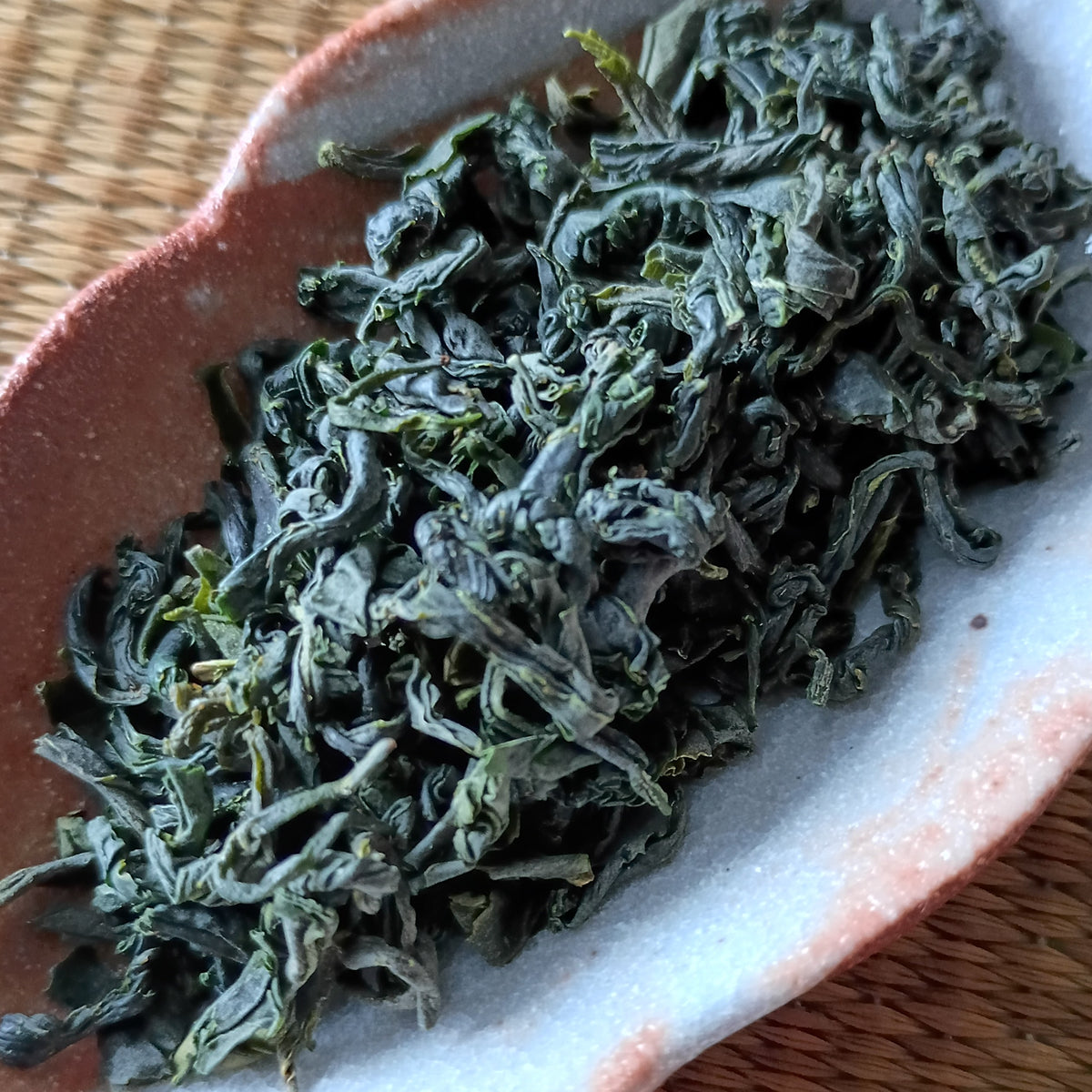
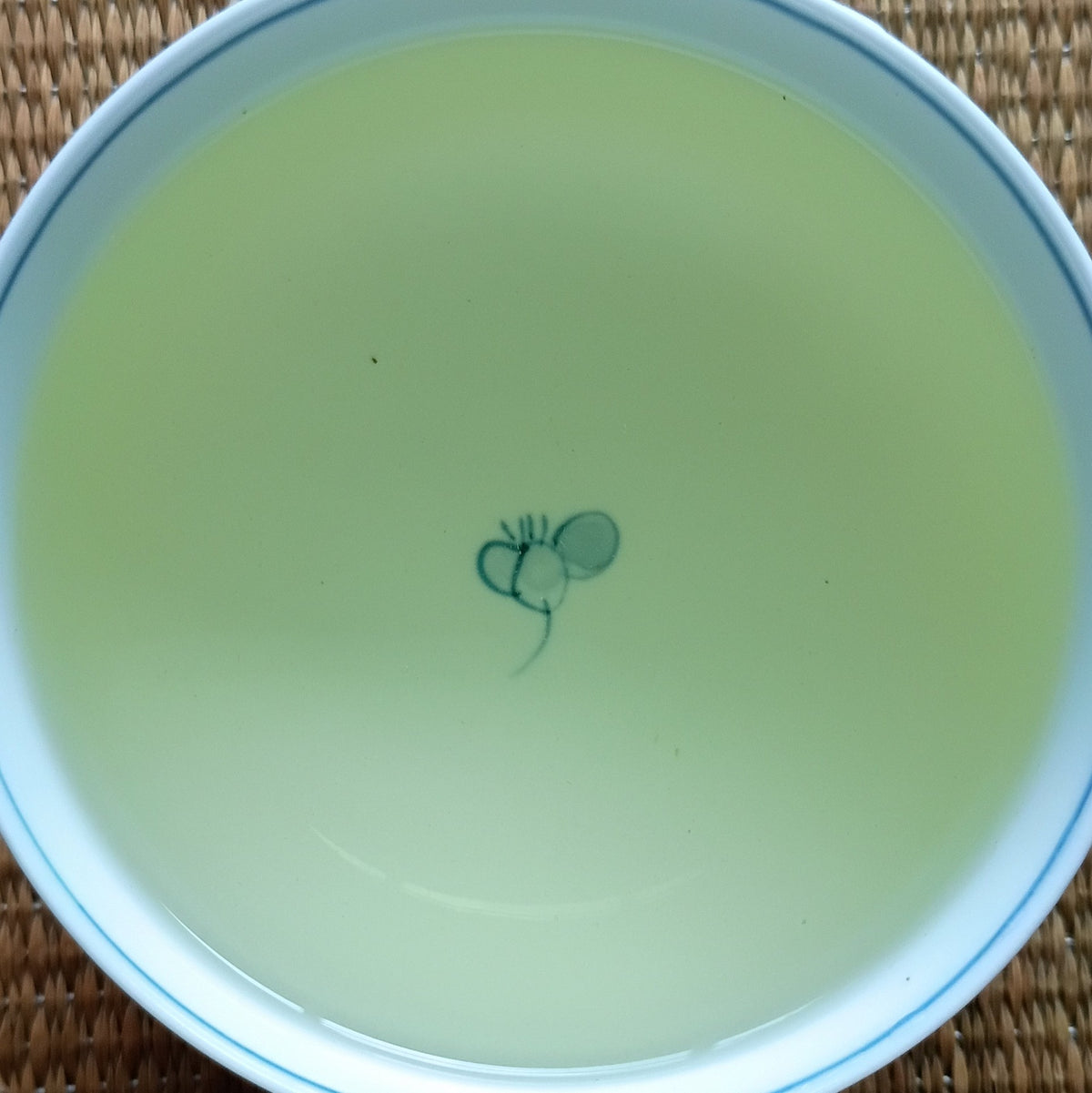
Densho (traditional) Kamairicha (pan-fired tea)- 2026 Shincha (New Harvest Tea). Naturally grown with no synthetic pesticides or fertilizers. 60 grams (+10 grams larger than our standard 50 gram green tea packs.) **This product is sold in the original retail packaging, direct from the producer. Despite difficult conditions in Kumamoto following the 7.1 earthquake on July 28th, I've been able to purchase some Kumamoto teas, plus shipping, so that farmers are getting help after the disaster, and 100% of my sales of this tea will go back to Kumamoto to assist artisans affected by the earthquake. PLEASE NOTE, THIS TEA PRICE DOES NOT COUNT TOWARDS THE $100 FREE SHIPPING ORDER TOTAL. THANK YOU FOR YOUR UNDERSTANDING.** Producer's notes: "This tea is made using a traditional Japanese tea-making method, where freshly picked leaves are roasted in a pot over an open flame reaching 400C. The leaves form a round, comma-shaped form. The liquor (the color of the tea) is a clear golden color, and it is characterized by a clean taste and a refreshing, high-quality aroma." As noted, this is a kamairicha, or pan-fired tea. The dry leaves are coiled into the classic curled shape, and their color is a lovely blue-green. The tea infuses to an elegant clarity that remains throughout multiple infusions. The firing aroma is very subtle. The first infusion is well-balanced, with notes of umami, amami (sweetness), and a light shibumi (astringent) finish. Subsequent infusions have a refreshing sweetness with very minimal astringency. The tea lasts through several infusions that were all exceptionally smooth, and I was able to infuse this tea six times with good flavor. That is a lot for a Japanese tea, making this tea a good value as well as a very enjoyable drinking experience. Kajihara Toshihiro is the 3rd-generation head of his family's tea farm in remote Tsuge Hamlet of Ashikata Town. As such, he attended the Kumamoto Prefectural agricultural University and after graduation in 1980, set about to work in the family tea business. The family primarily grew tea produced into the local kamairicha, or pan-fired tea, traditional to the region. In the early days of the family's start, over 80 years ago, he says that every family in the village had a small plot of tea. Declining demand for kamairicha, due to the standardization of Uji-style Sencha production, combined with a general decline in leaf green tea consumption in Japan, created challenging times for small tea farms like the Kajihara's. He began making WaKoucha (Japanese Black Tea), and also kept at traditional methods that were finally starting to be re-appreciated as artisanal tea production. He traveled to Taiwan (2013) and China (2015) to further study traditional roasting methods there, and starting earning awards at European tea competitions. In 2022, he submitted one of his black teas to the prestigious UK Leafies Tea Competition and won won "Best in Show," making a Japanese black tea from a small mountain hamlet in Kumamoto the world's best! He continues to work hard at creating teas that are making a name for Kumamoto tea in Japan and internationally. Kumamoto Prefecture ranks about 9th in Japan tea production among the 47 prefectures, but has not been one of the better-known tea regions domestically or internationally. The Kajihara Tea Farm is located in the mountain-enclosed small hamlet of Tsuge, home to just nine families. Tsuge lies in within Ashikata Town in southwest Kumamoto Prefecture. The Kuma River flows through Ashikata, and the town faces the Yatsushiro Sea. Here, in this remote region of natural blessings, the Kajihara Tea Farm is creating teas that are earning international recognition. |