

Description
|
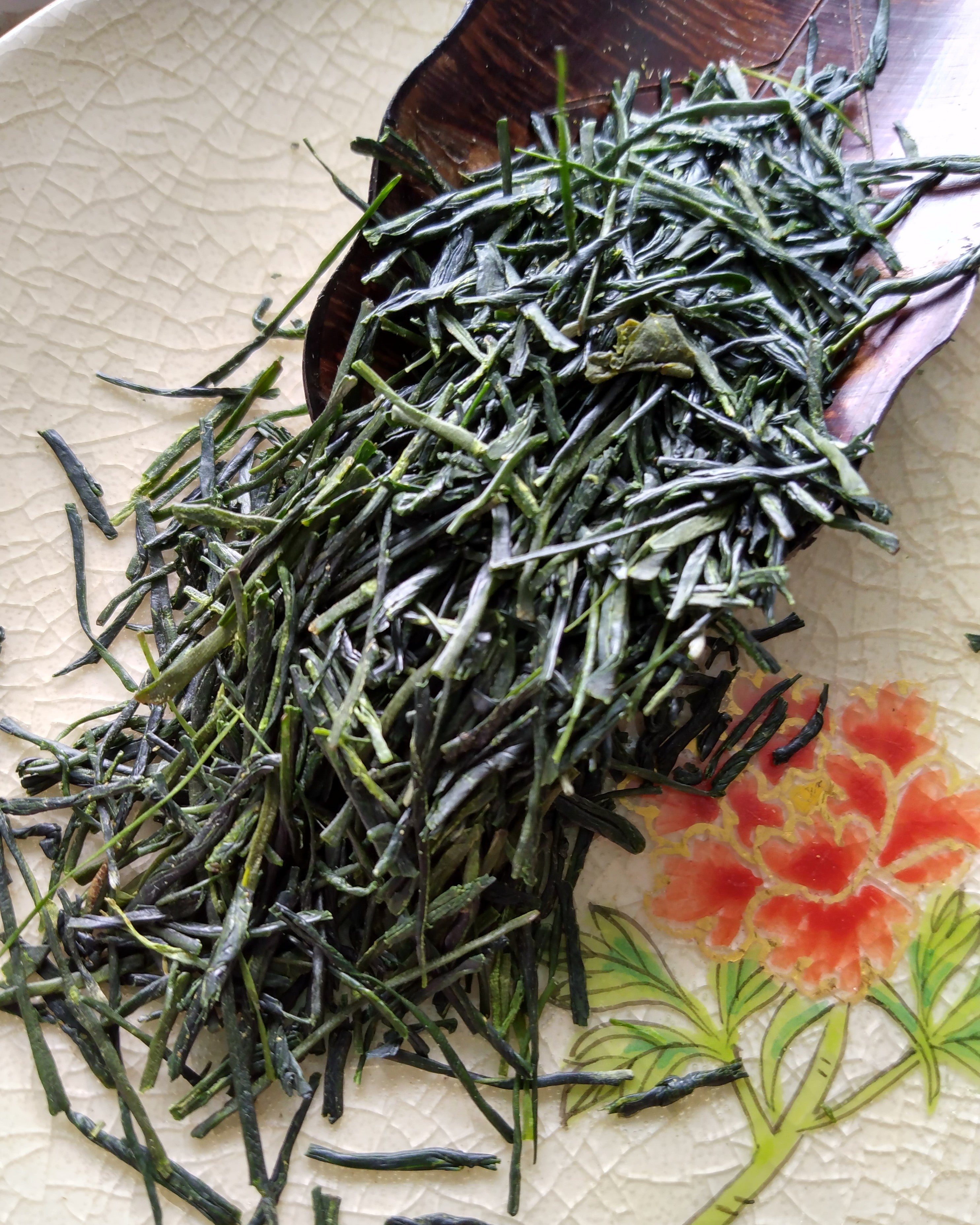
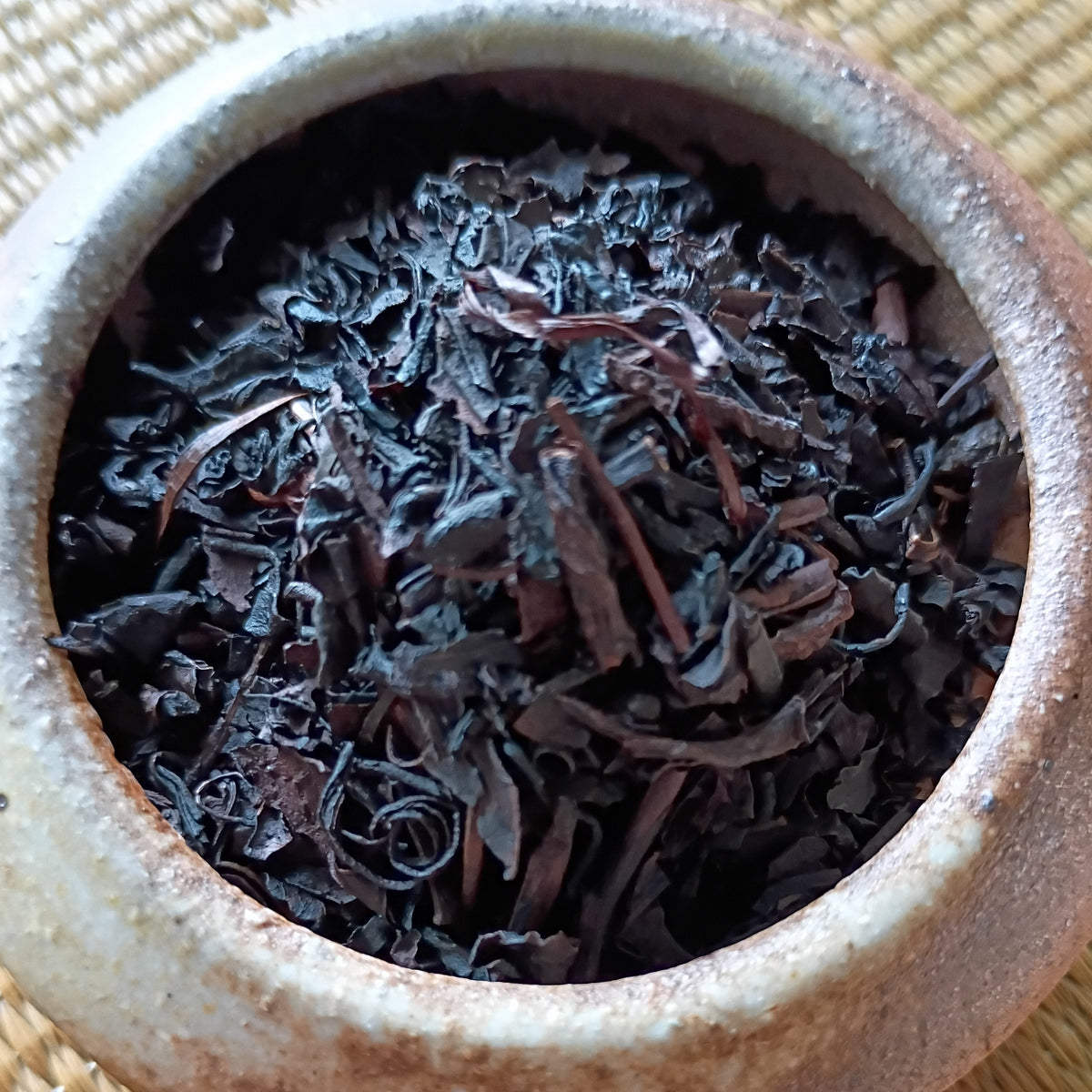
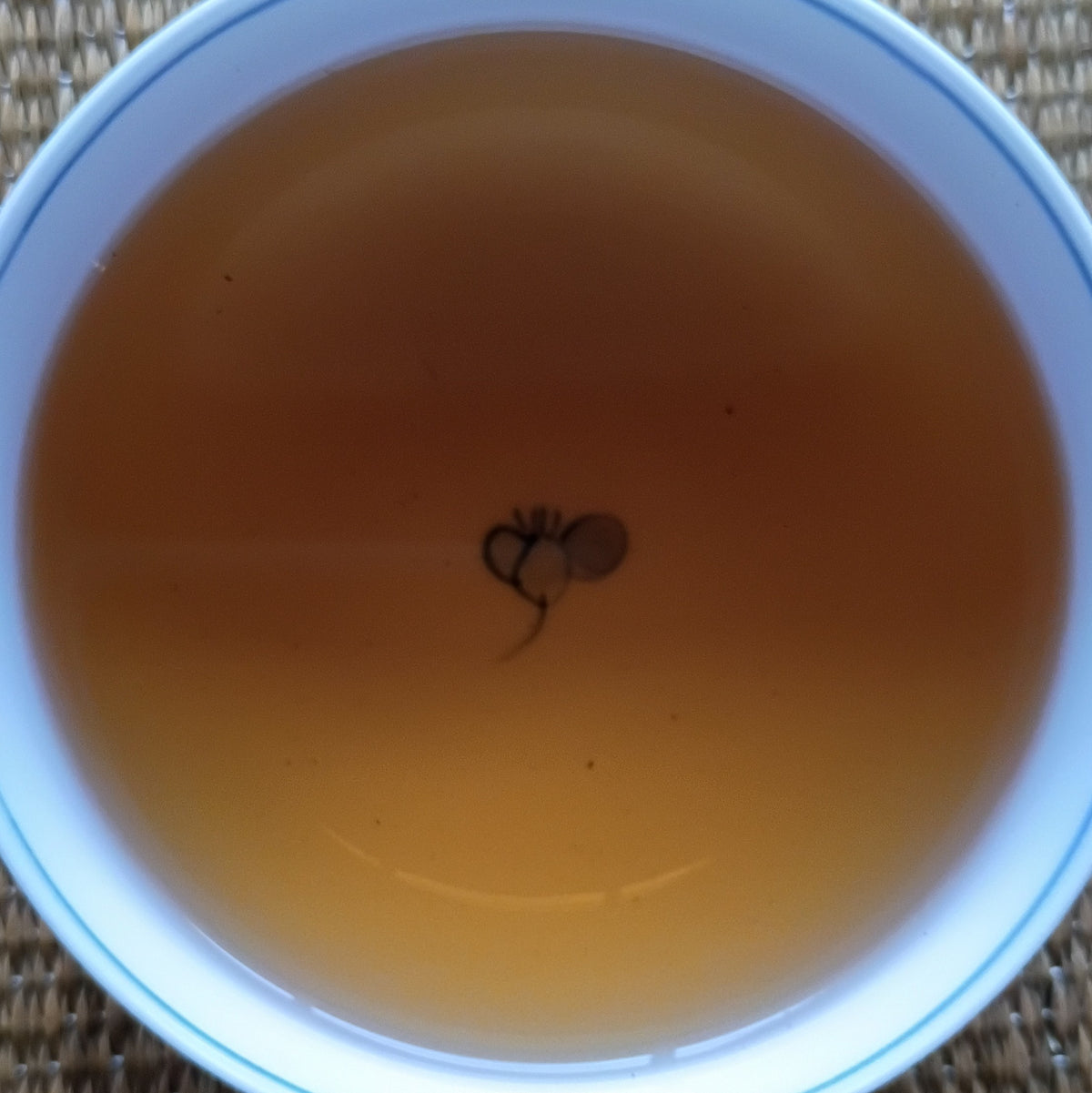
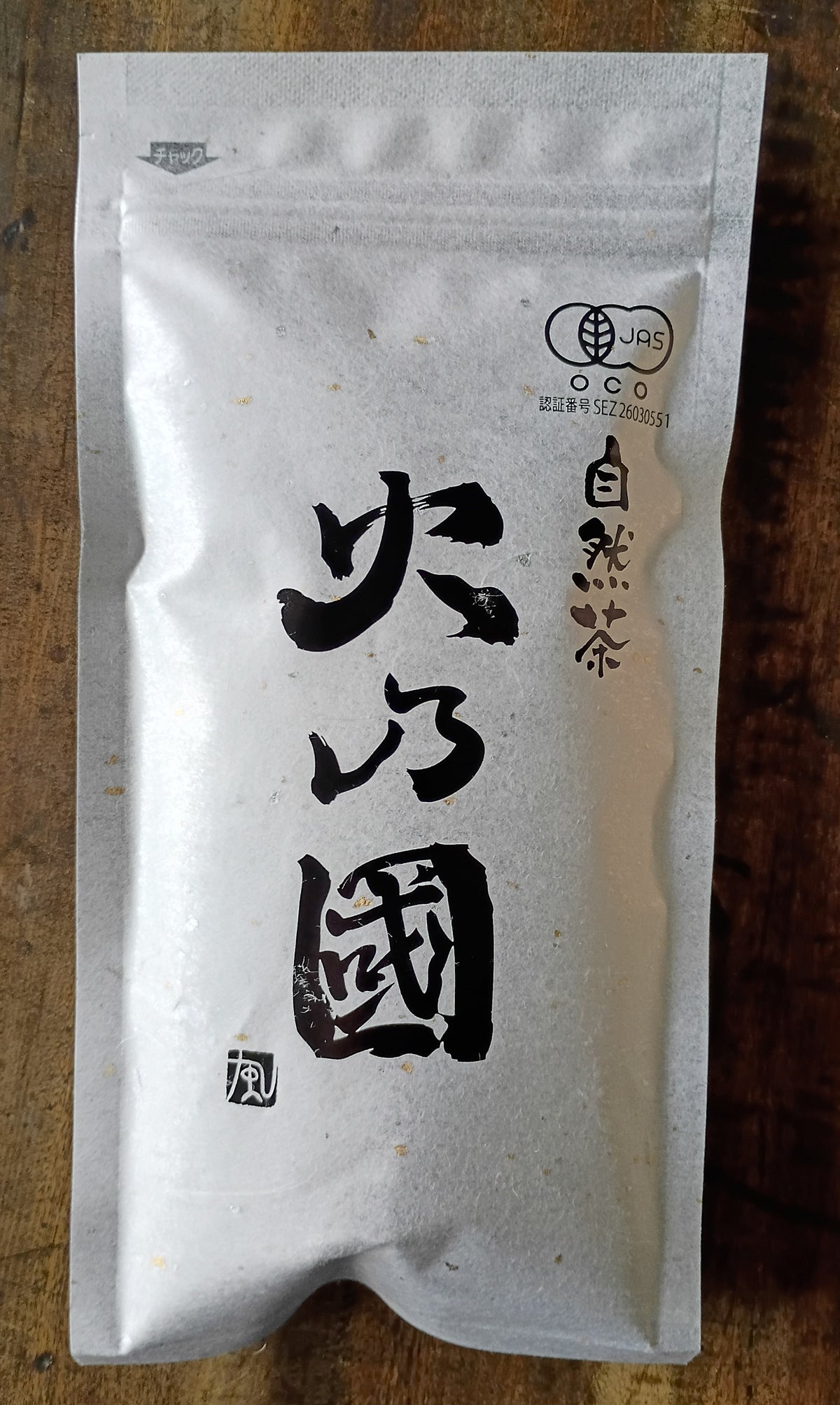
Hinokuni ("Land of Fire") Dark Roast Houjicha- 2026 Spring Harvest Tea. Naturally grown with no synthetic pesticides or fertilizers. 80 grams (+30 grams larger than our standard 50 gram green tea packs.) **This product is sold in the original retail packaging, direct from the producer. Despite difficult conditions in Kumamoto following the 7.1 earthquake on July 28th, I've been able to purchase some Kumamoto teas, plus shipping, so that farmers are getting help after the disaster, and 100% of my sales of this tea will go back to Kumamoto to assist artisans affected by the earthquake. PLEASE NOTE, THIS TEA PRICE DOES NOT COUNT TOWARDS THE $100 FREE SHIPPING ORDER TOTAL. THANK YOU FOR YOUR UNDERSTANDING.** Producer's notes: "This Houjicha (roasted green tea) uses leaves and 'shiraore' (stems) from a traditional variety that has existed in Sagara Village, Kuma District, Kumamoto Prefecture for a long time, and has been organically cultivated for over 40 years. By roasting at a higher temperature and for a longer time than usual, it has a caffeine content that is reduced to one-quarter of that of typical Houjicha, making it extremely mild." As noted, this Houjicha is roasted at a higher temperature and for a longer time, resulting in dry tea leaves that are nearly black in color, and stems that are dark red. However, the resulting tea is a reddish-brown chestnut color with flavors that are mild and exceptionally sweet. I found the notes reminiscent of dark stone fruit, such as black cherry or plum. Meanwhile, the heavy roasting aroma and flavor are always in the background, but not in a bitter way. The astringency remains very light throughout multiple infusions, and I was able to pull five enjoyable infusions in tasting. *I have heard that the Fujisako Family may be retiring from tea production soon, so if you like a low-caffeine, dark-roasted Houjicha, this is a good opportunity to purchase a delicious tea, while also supporting Kumamoto Relief. "Hinokuni" means "Land of Fire", and has long been a moniker for Kumamoto Prefecture, home to the volcanic Mount Aso, and a history of fire-related legends. Kumamoto Prefecture ranks about 9th in Japan tea production among the 47 prefectures, but has not been one of the better-known tea regions domestically or internationally. Sagara Village has been an area of tea production for centuries, with some reports saying that tea history in the region goes back to the late 12th Century. Despite a dwindling population that is now less than 4,000 people, tea is still being produced there. The Kuma Valley region, in which Sagara lies, has also been famous for rice-based shochu liquor (often made with sweet potatoes in neighboring Kagoshima) for centuries, and still today boasts at least 27 distilleries. This is in large part due to the fact that the valley, and Sagara Village, are home to the Kawabe River, which has been called "The cleanest river in Japan" for several years running. This most certainly also affects tea cultivation, making it an ideal area for producing delicious teas in the past and still today. |