

Description
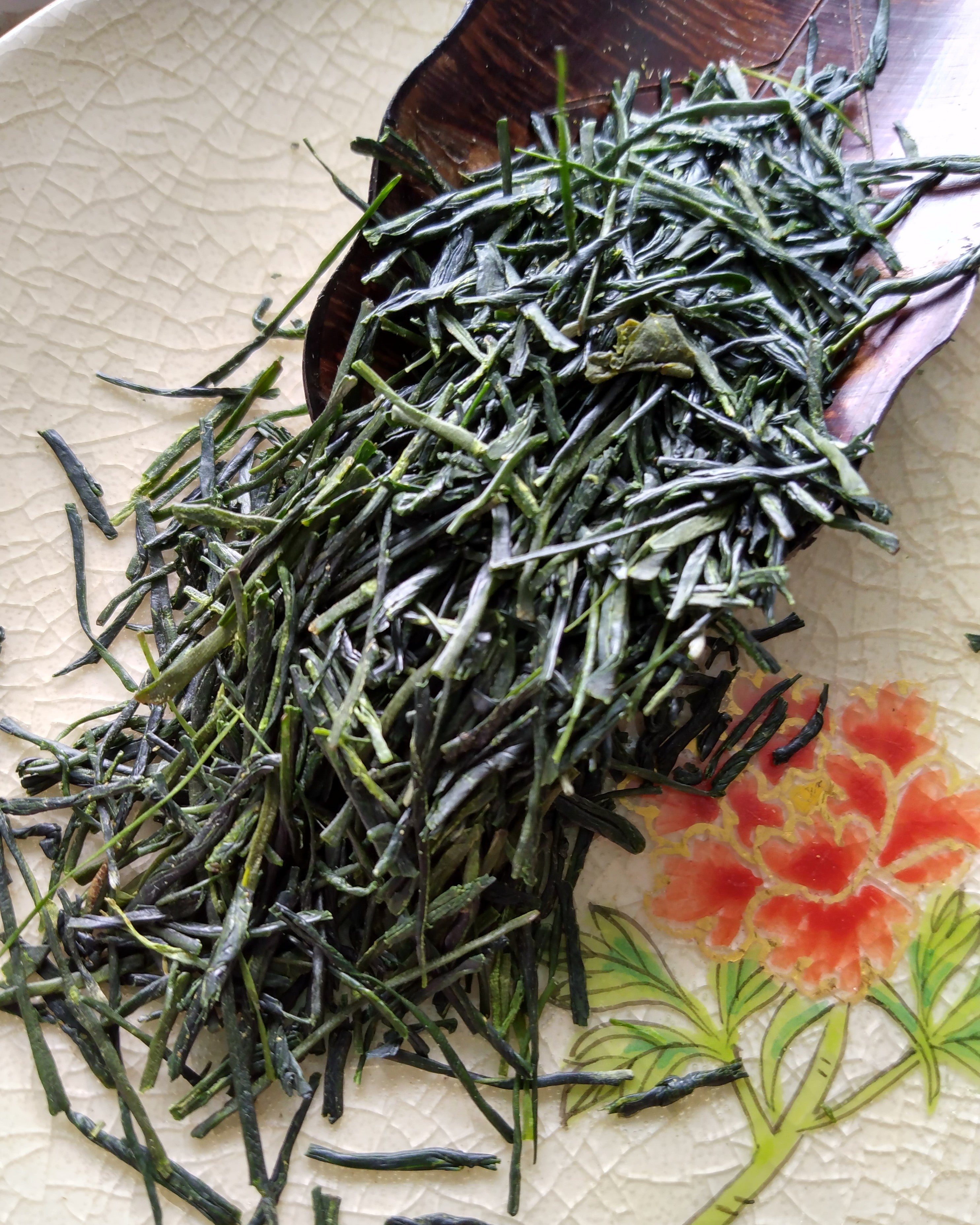
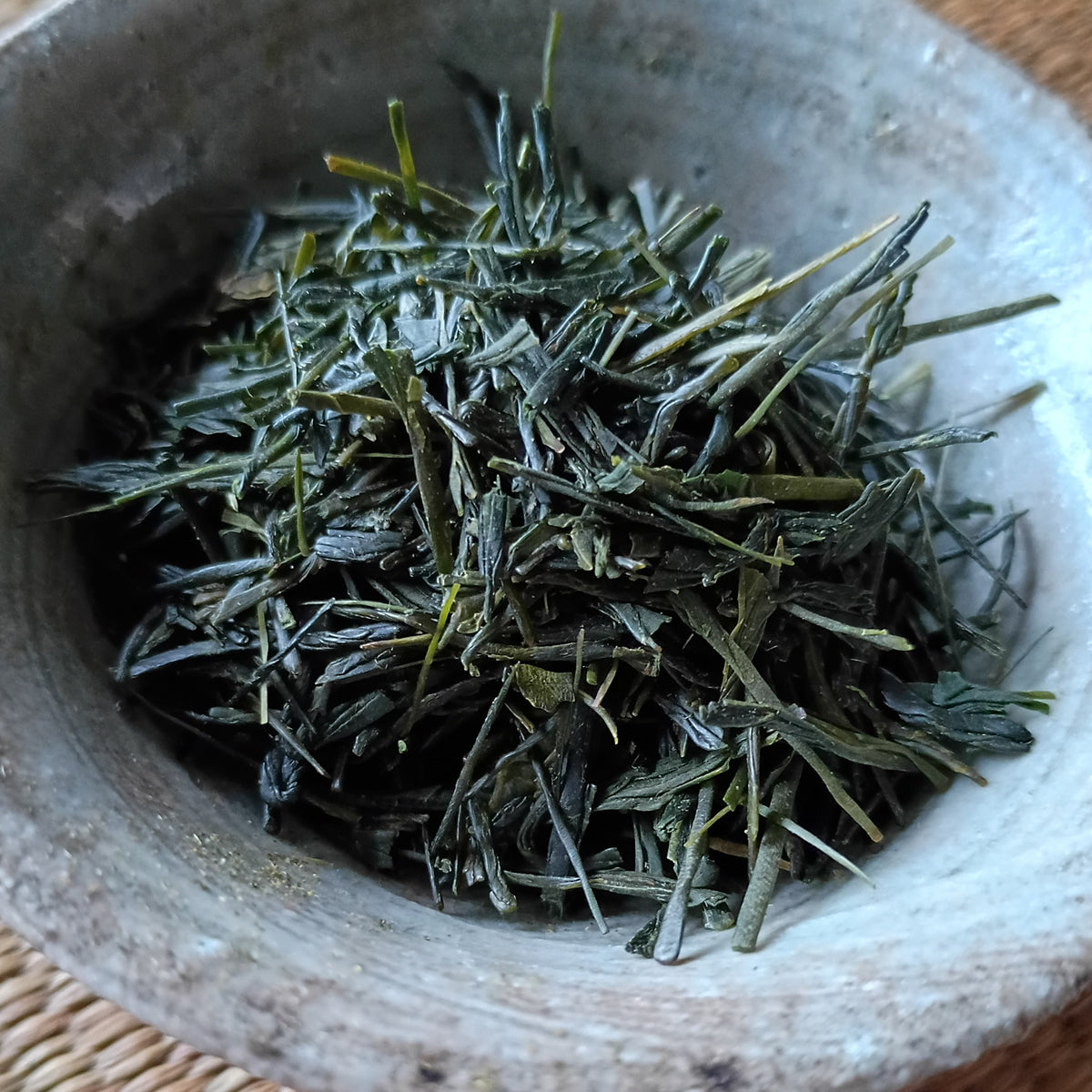
Harumoegi / Saemidori Honyama Sencha - 2026 Shincha (New Harvest Tea). Naturally grown with no synthetic pesticides or fertilizers.
Origin: Honyama, Shizuoka Prefecture.
Cultivar: Harumoegi and Saemidori Blend.
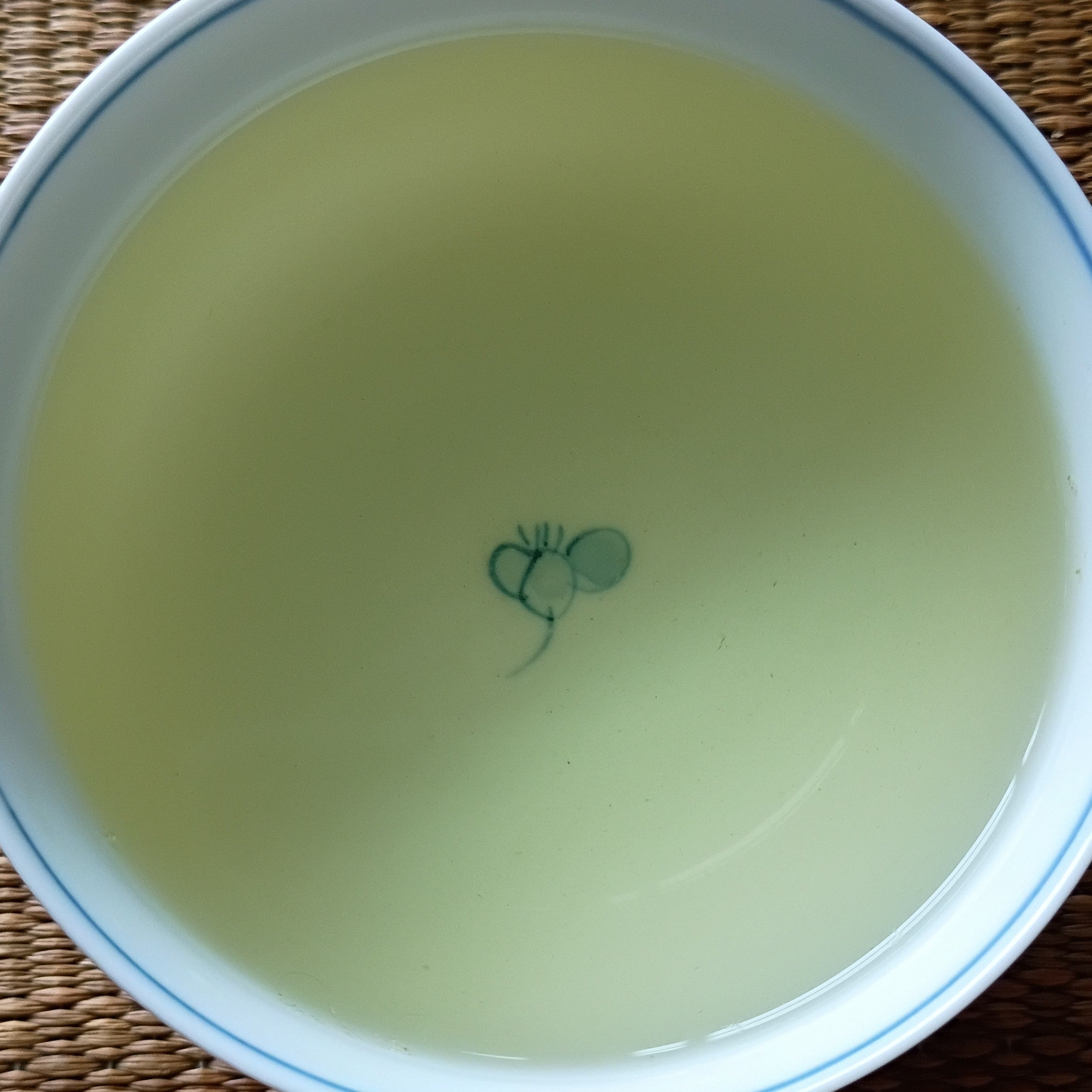
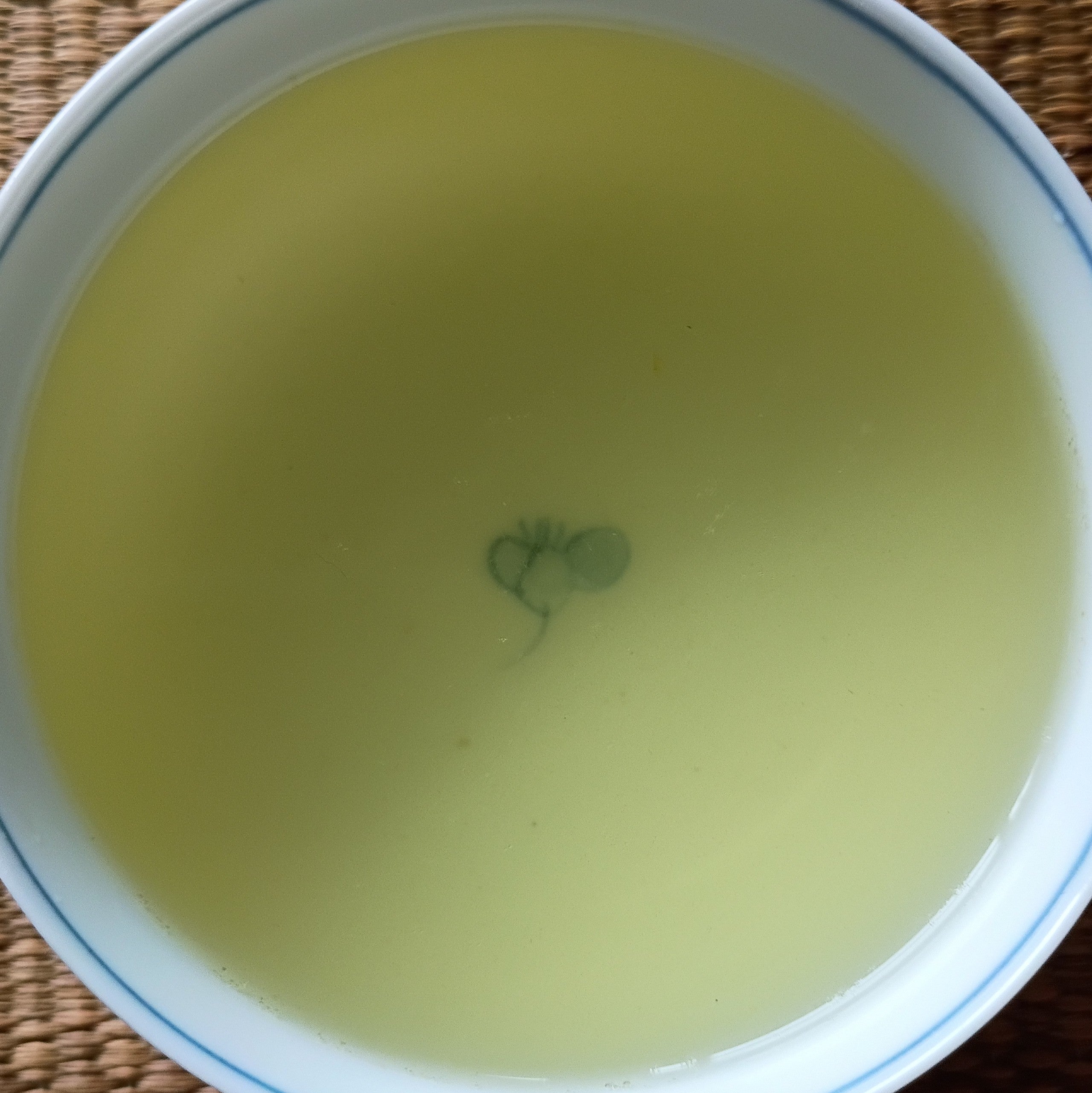
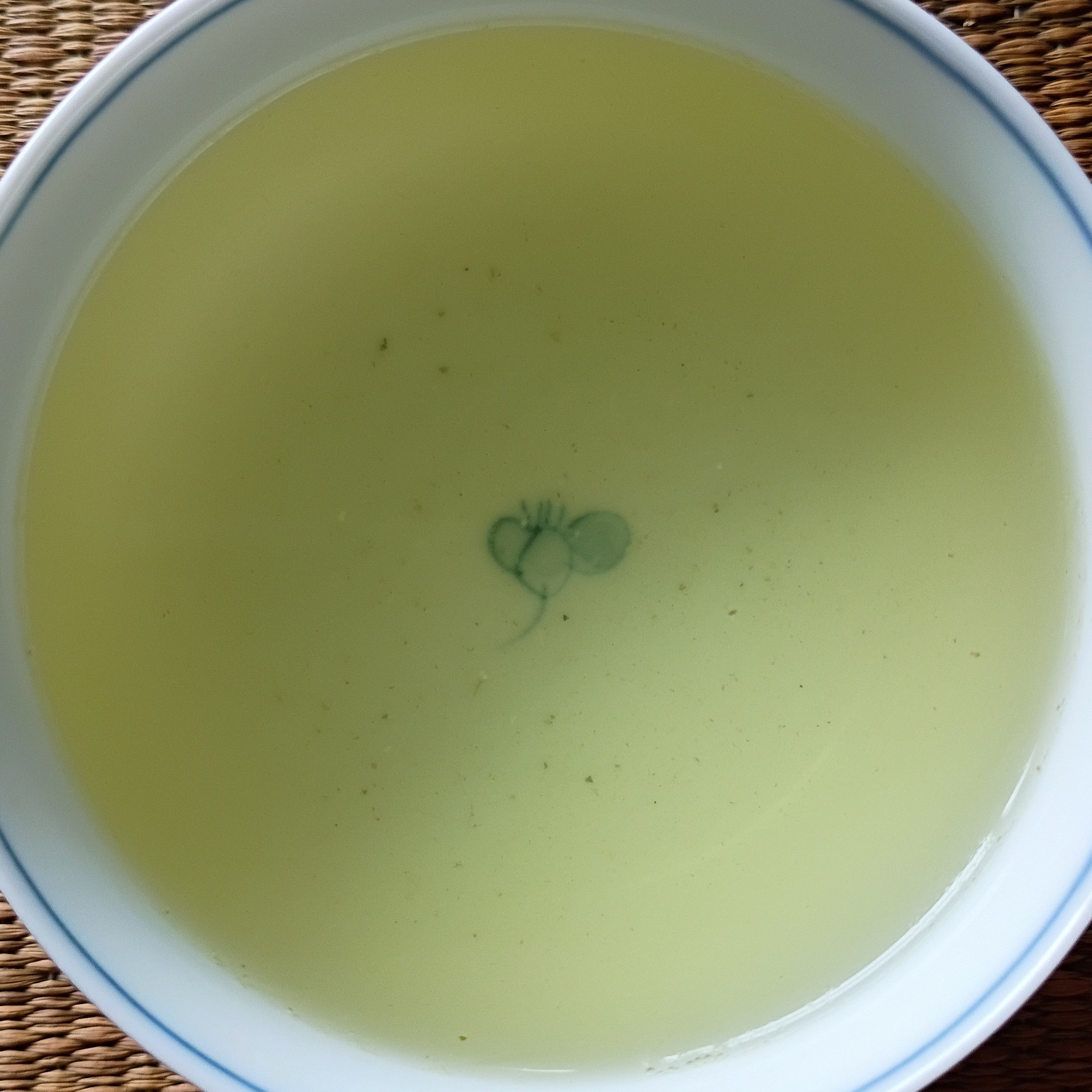
Infuses to a light yellow-green color with a light forest aroma. The tea has a strong level of dashi-like umami in the initial infusion, along with a slightly nutty sweetness and a mild astringent finish. Sweetness and astringency build in the second and third infusions, but are still smooth and balanced.
We carry other teas of the Saemidori cultivar, but this is the only one with the fairly rare Harumoegi cultivar, officially registered just in 2003. It is known to have good levels of umami and low levels of astringency and is a highly sought after cultivar used in Sencha. Combined here with Saemidori, another high umami cultivar used frequently in both Sencha and Gyokuro in Kyushu, this makes a smooth and rich tea.
The Honyama region has a tea history going back some 800 years. It is located in the mountainous northern part of Shizuoka prefecture, containing the Abe River and the it's branches of the Ashikubo and Warashina Rivers, and near the foothills of Mount Fuji. As with many famous tea-growing regions, the unique topography here boasts large daytime and evening temperature swings in misty and steep river valleys that are ideal for tea cultivation. The teas here are often marketed as having an aroma of the mountains.
Shizuoka has Japan's largest prefectural share of tea growing land, and produces nearly half of the country's tea output. The history of tea in Shizuoka goes back to the Kamakura Period when tea seeds, along with the seeds of Zen Buddhism, were brought from Song China by the monk Enni in 1241 and planted them in the Ashikubo area. During the Tokugawa Era (1600-1869), local lords increased commercial cultivation of tea to bolster the region's economy and their feudal coffers. Even in the late 1800's, Shizuoka was a large exporter of tea. Tea farming is spread across the prefecture, much of it with the beauty of Mount Fuji in the background. To the east lies the coast and the Pacific Ocean, and with many river valleys, growing conditions in Shizuoka are ideal for tea. With both a long history and an ideal environment, Shizuoka has long been a leader in tea agricultural science and technology.