

Description
Okuyame Hoshino-cha* Gokou Dentou (traditional) Hon (authentic) Gyokuro - 2026 Ichibancha (First/Spring Harvest Tea.)
Origin: Hoshino Village, Yame, Fukuoka Prefecture; Takaki Tea Farm, Farmer Takaki Akihito Cultivar: Gokou ("Halo", as in the radiant halo surrounding Buddhist sculpture)
*Okuyame means "Deep Yame", and Hoshino-cha refers to teas grown in Hoshino-mura (Hoshino Village), which is within the Yame City borders, but deep in the mountains. While Yame itself is known to be one of the premier Gyokuro, Kabuse-cha, and Matcha producing regions of Japan; the mountainous area of Hoshino Village is known as one of the premier tea growing locations within Yame City. The Takaki Tea Farm is an award-winning grower and producer of fine teas from Hoshino Village, and Takaki Akihito is the fourth generation head of this highly reputable tea farm.
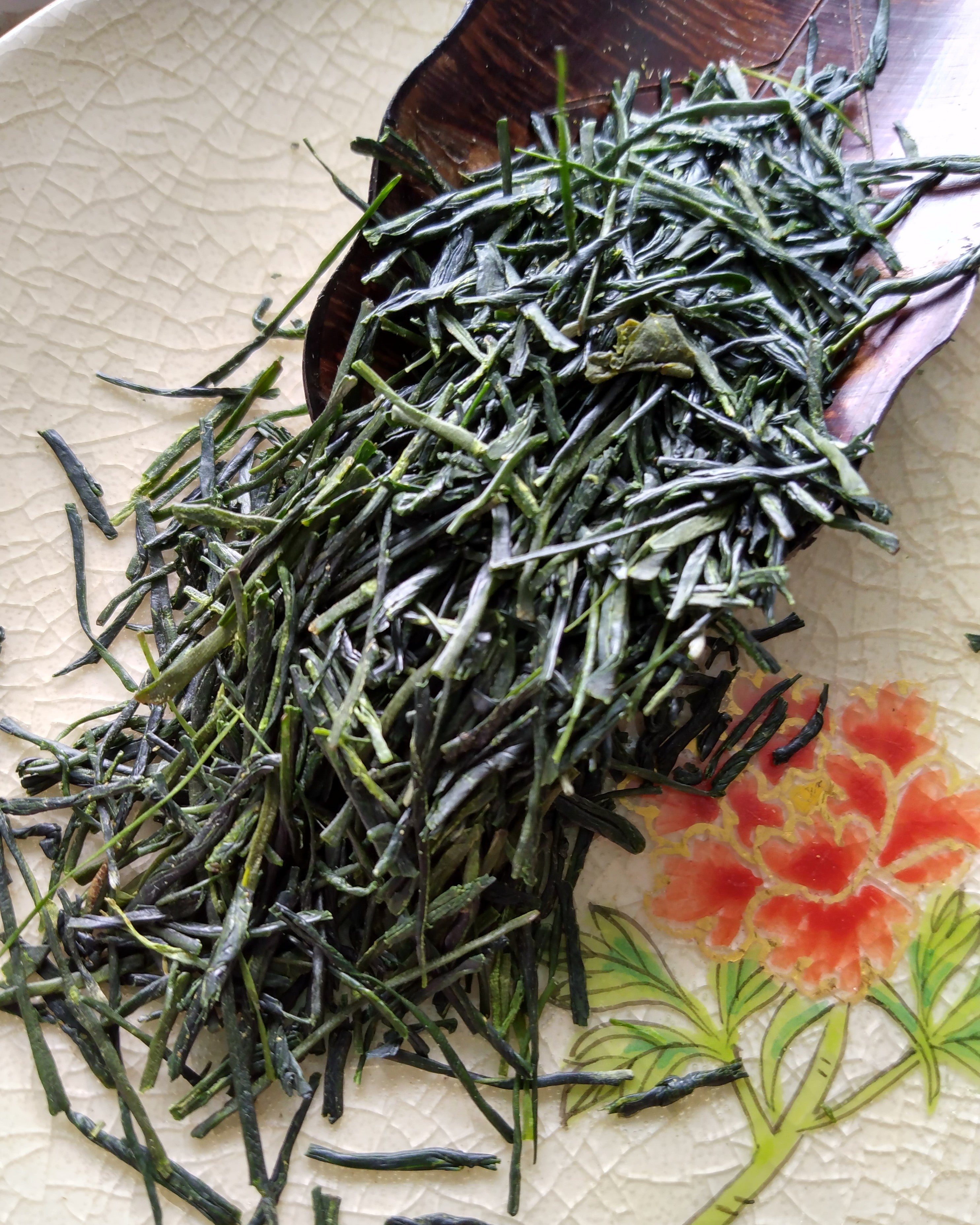
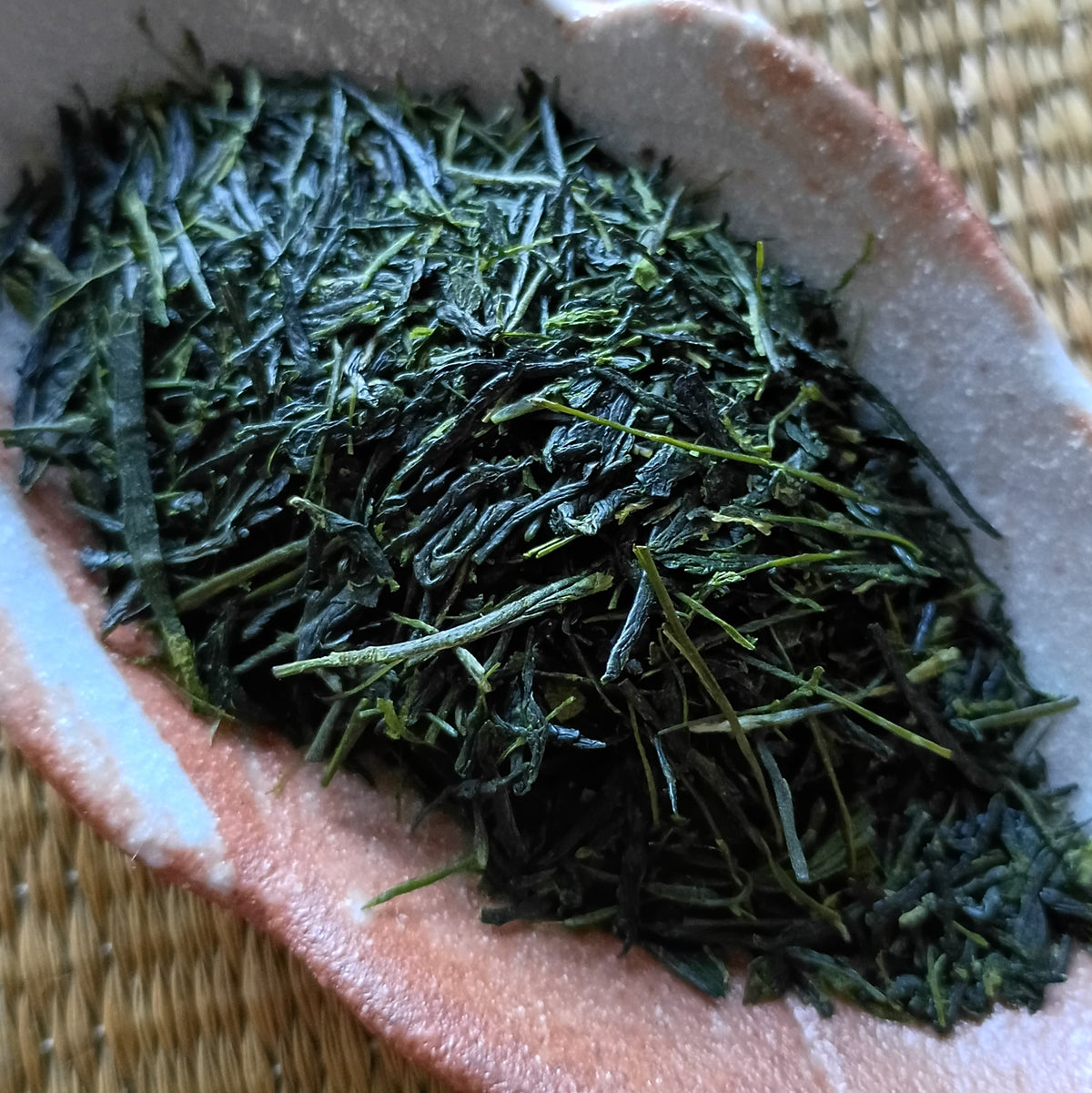
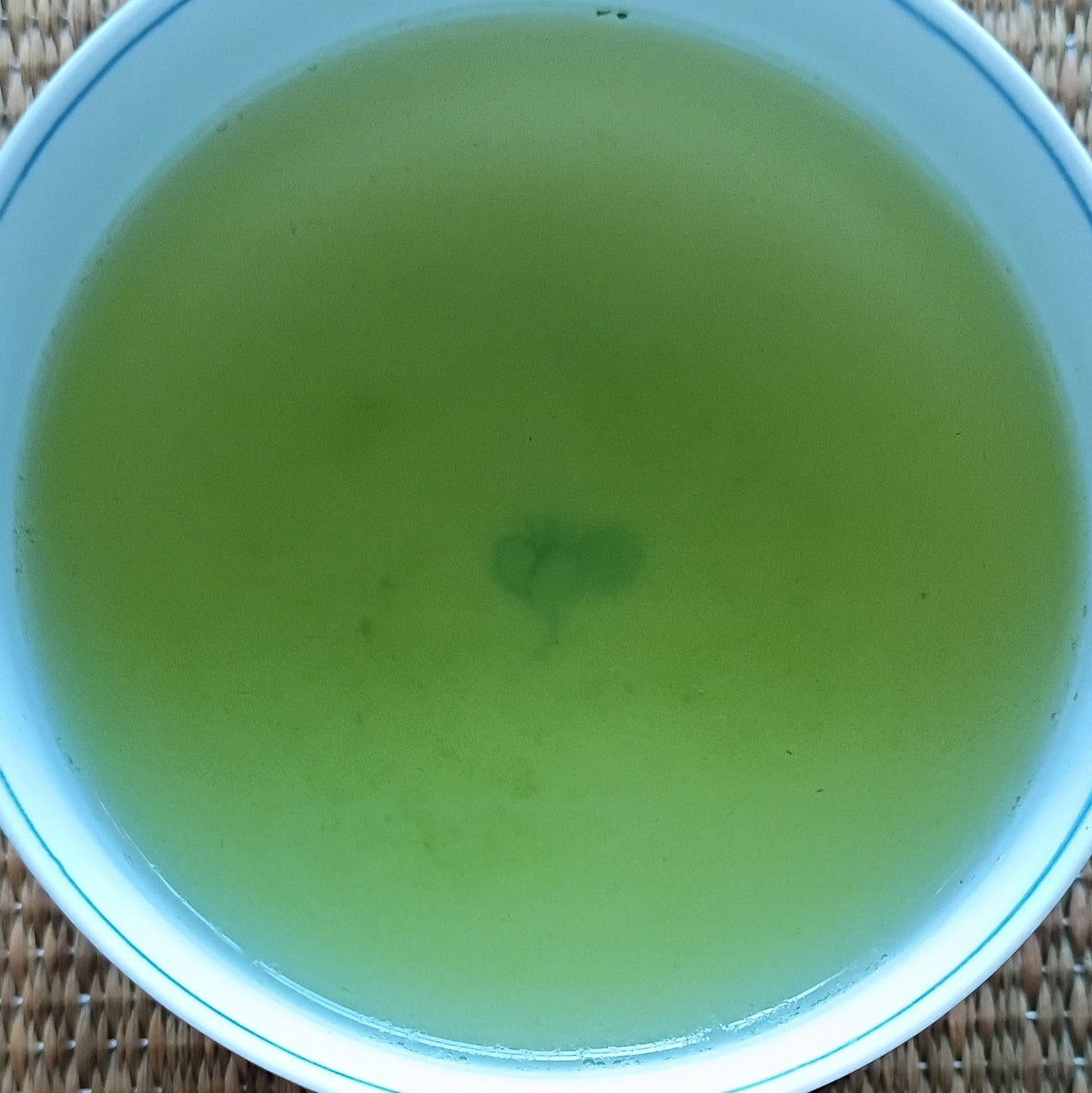
This Gyokuro is rich in umami, with a rich viscous mouthfeel, and dashi-like aroma. It also has a complex balance of sweetness and astringency. It starts off with a light color, but rich flavor. Sweetness and color are enhanced in latter infusions, with astringency smoothing out over multiple infusions.
Gyokuro from the Takaki Tea Farm are generally classified as "Dentou - Hon", meaning "Traditional" and "Authentic." In terms of Gyokuro production, traditional means shaded with natural materials, such as rice straw or bamboo mats (sumaki), and authentic refers to the shading period of at least 20 days, the tea plants being grown naturally without shaping, and the tea being hand-picked. Gyokuro of this quality, and with this level of production effort, is not always easy to find in the market. While Gyokuro of this caliber is comparatively expensive; focused brewing with the low temperatures, small servings, and slow infusions that yield Gyokuro's best qualities can lead to double the number of infusions of typical Sencha. This makes Gyokuro a luxurious value. You can even use the spent leaves with a sprinkle of soy sauce to make "ohitashi."
The Gokou cultivar is originally from Uji (Kyoto) and is primarily used in Gyokuro and Tencha (for Matcha) production. It is still grown mostly in Uji, and is considered one of the most expensive cultivars there when used for Matcha. It is also grown in small quantities in Yame, Fukuoka, and in Shizuoka. While it can also recently be seen used for Sencha, it was developed for shaded cultivation (Kabusecha, Gyokuro, Tencha) and apparently can develop an unwanted aroma when grown in full sun. It has a limited harvest window, as well as thin leaves which require hand-picking, further adding to the expense of growing this cultivar.
The Yame region of Fukuoka Prefecture on Japan's southern island of Kyushu is known for producing high quality Gyokuro and Sencha, but in relatively limited amounts. The region consistently produces teas that win awards at Japanese national tea competitions. A person living in Tokyo would find it a real treat to enjoy fine tea from Yame, and you can now have it here in North America.